
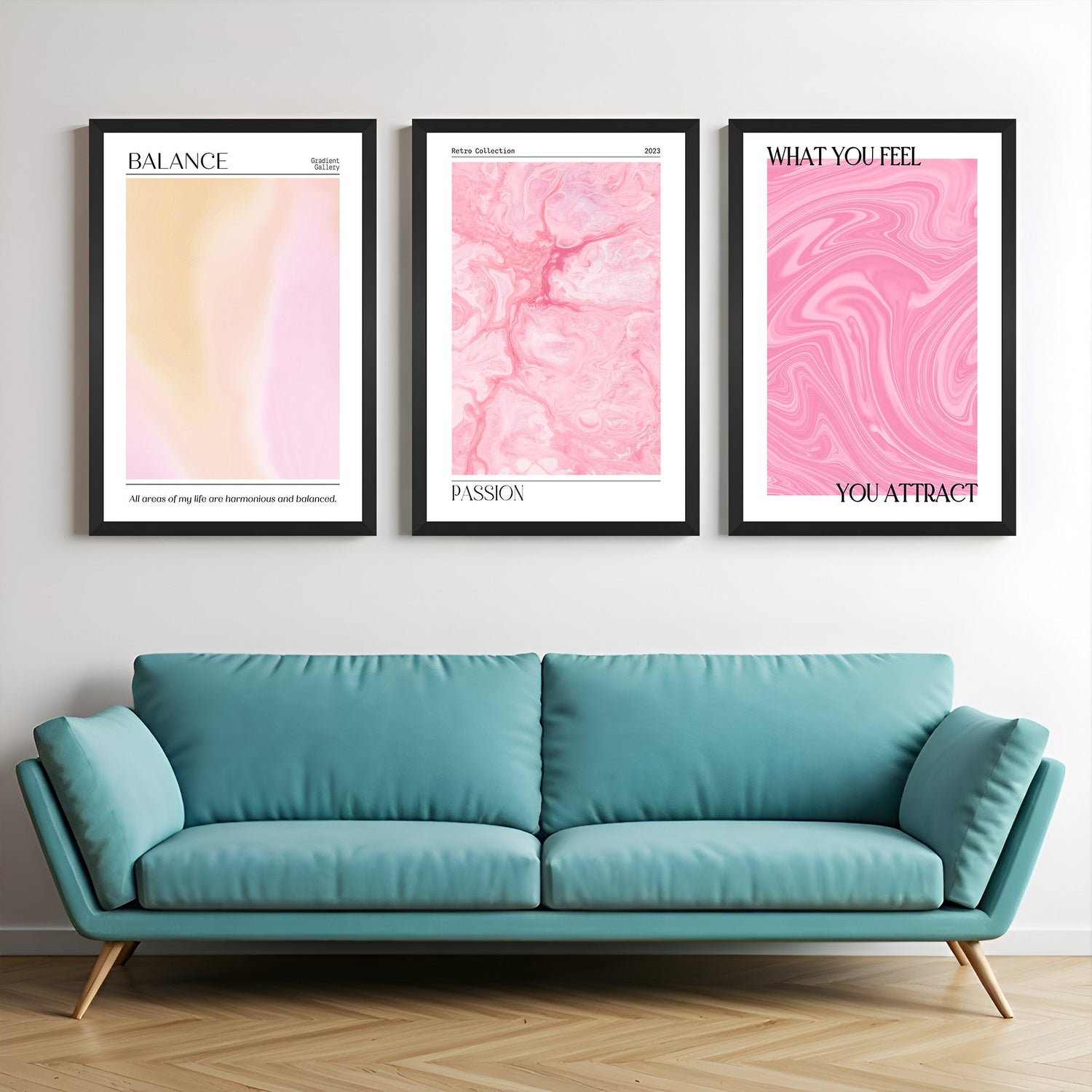
An art wall is more than just a collection of framed pieces—it’s a storytelling canvas that reflects personality, style, and creativity. Whether you’re designing a sleek modern gallery wall or an eclectic bohemian display , the right arrangement can transform blank walls into captivating focal points. If you’ve ever wondered how to style an art wall with finesse, this guide offers expert techniques, layout inspirations, and styling secrets to help you craft a visually stunning masterpiece.

1. Start with a Vision: Define Your Aesthetic
Before hanging a single frame, consider the mood and theme you want to evoke. Are you drawn to minimalist monochrome prints , vibrant abstract art, or a nostalgic mix of family photos and vintage posters? Your art wall should harmonize with your room’s existing decor—whether it’s Scandinavian simplicity, industrial edge, or cozy maximalism .
Pro Tip: Create a mood board (digital or physical) to visualize color schemes, frame styles, and spacing preferences before committing to a layout.
2. Choose a Focal Point for Balance
Every well-styled art wall benefits from a central anchor piece —a large painting, an ornate mirror, or a striking textile—that grounds the arrangement. This focal point ensures visual balance, preventing the display from feeling cluttered or disjointed.
-
For large walls , try a statement oversized canvas flanked by smaller complementary pieces.
-
In compact spaces , a medium-sized artwork with floating shelves adds dimension without overwhelming the area.
3. Master the Art of Layouts
The arrangement you choose can make or break your art wall. Here are three timeless layout styles to consider:
A. The Grid Layout (Structured Elegance)
Ideal for uniform frames and matching prints , a grid layout exudes order and sophistication. This works beautifully in contemporary interiors where symmetry is key.
How to execute:
-
Use identical frames in rows and columns.
-
Maintain equal spacing (2-3 inches between frames).
B. The Organic Gallery Wall (Eclectic Charm)
For a relaxed, collected-over-time look , an asymmetrical arrangement blends different sizes, shapes, and art mediums. This style suits bohemian, farmhouse, or eclectic decors .
How to execute:
-
Start with the largest piece off-center.
-
Layer smaller artworks around it, varying orientations (portrait, landscape, square).
C. The Salon-Style Hang (Dramatic Flair)
Inspired by classic European galleries, this floor-to-ceiling display mixes frames of all sizes in a dynamic, artful cluster. Perfect for high ceilings and statement entryways .
How to execute:
-
Place the heaviest pieces at the bottom.
-
Gradually fill upward, leaving intentional gaps for breathing room.
4. Play with Frames and Textures
A mix of materials and finishes adds depth to your art wall:
-
Sleek black frames for a modern edge.
-
Vintage gold frames for Old World glamour.
-
Floating acrylic frames for contemporary spaces.
-
Textured elements like woven baskets, ceramic plates, or metal accents for tactile interest.
Avoid: Overmatching frames—contrast creates intrigue.
5. Lighting: The Secret to a Gallery-Worthy Glow
Even the most exquisite art wall falls flat without proper lighting. Consider:
-
Directional spotlights to highlight key pieces.
-
LED picture lights for a museum-like effect.
-
Natural light-friendly positioning (avoid direct sunlight to prevent fading).
6. Personalize with Meaningful Pieces
An art wall should feel uniquely yours. Incorporate:
-
Travel souvenirs (postcards, maps, textiles).
-
Handwritten letters or sketches in shadow boxes.
-
Heirloom pieces like antique clocks or inherited artwork.
7. Final Touches: Spacing and Cohesion
-
Rule of thumb: Leave 2-3 inches between frames for harmony.
-
Step back frequently to assess balance during hanging.
-
Edit ruthlessly —sometimes, less is more.
Conclusion: Your Art Wall, Your Masterpiece
Styling an art wall is an exercise in creativity and patience. Whether you opt for a structured grid or a freeform collage , the key lies in intentional curation and personal expression . Remember, there are no rigid rules—only opportunities to turn blank walls into captivating narratives.
Ready to transform your space? Start small, experiment fearlessly, and let your walls speak volumes.
FAQ: Styling an Art Wall Like a Pro
1. What is the best way to arrange pictures on an art wall?
The best arrangement depends on your style:
-
Grid layout (for symmetry and modern spaces)
-
Organic gallery wall (for eclectic, collected-over-time looks)
-
Salon-style hang (for dramatic floor-to-ceiling impact)
Always start with a focal point and balance sizes/spacing.
2. How do I choose the right frames for my gallery wall?
Mix materials for depth:
-
Black/white frames for contemporary styles
-
Gold/wood tones for vintage or bohemian vibes
-
Floating frames for minimalist art
Avoid matching everything—contrast adds visual interest.
3. How much space should I leave between frames?
Aim for 2–3 inches between frames for cohesion. For large walls, increase spacing to 4–6 inches to prevent overcrowding.
4. Can I mix art styles on one wall?
Absolutely! Combining photographs, paintings, prints, and textiles creates dynamic contrast. Stick to a unifying color palette or theme for harmony.
5. What’s the ideal height to hang an art wall?
The center of your display should be at eye level (57–60 inches from the floor) . Adjust slightly higher for rooms with tall ceilings.
6. How do I light an art wall effectively?
-
Use picture lights or track lighting to highlight key pieces.
-
Avoid direct sunlight to prevent fading.
-
LED spotlights work well for gallery-style displays .
7. Can I create an art wall without nails?
Yes! Try:
-
Command strips for lightweight frames
-
Floating shelves to layer art
-
Washi tape or poster putty for temporary displays
8. How do I style a small art wall in a tight space?
-
Opt for a vertical arrangement to maximize space.
-
Use smaller frames or a single statement piece .
-
Mirrors can make the area feel larger.
9. What’s trending in art wall decor for 2024?
-
Mixed-media walls (think art + mirrors + woven baskets)
-
Oversized abstract canvases
-
Sustainable and thrifted art collections
10. How often should I update my art wall?
Refresh it seasonally or whenever you crave a change. Rotating artwork keeps your space feeling dynamic!
Why This FAQ Works for SEO
-
Targets long-tail queries (e.g., “how to arrange pictures on a wall,” “best frames for gallery wall”).
-
Uses keywords naturally (gallery wall, art wall styling, hanging art without nails).
-
Solves common pain points (spacing, lighting, rental-friendly solutions).
-
Encourages engagement (trends, updates).