Buy Premium Vastu & Divine Wall Art for Your Home
A good Vastu painting does two things at once: it holds its own as art, and it does something for the room it hangs in. That second part is what separates this collection from ordinary decor — every piece here, from a waterfall canvas to a portrait of Hanuman Ji, is chosen because of what it's believed to bring to a space, not just how it looks on a wall. Some of that comes from Vastu Shastra directly — which wall a deity or symbol should face, which direction invites which kind of energy. Some of it is older still, rooted in devotion that predates any design trend. At Cipher Spaces, we've tried to keep both intact: the visual quality and the meaning behind it.
You'll find the full range organized by theme, but if you already know the room you're decorating, our living room, bedroom, and office collections are a faster way in.
What's in the Collection, and Why It's There
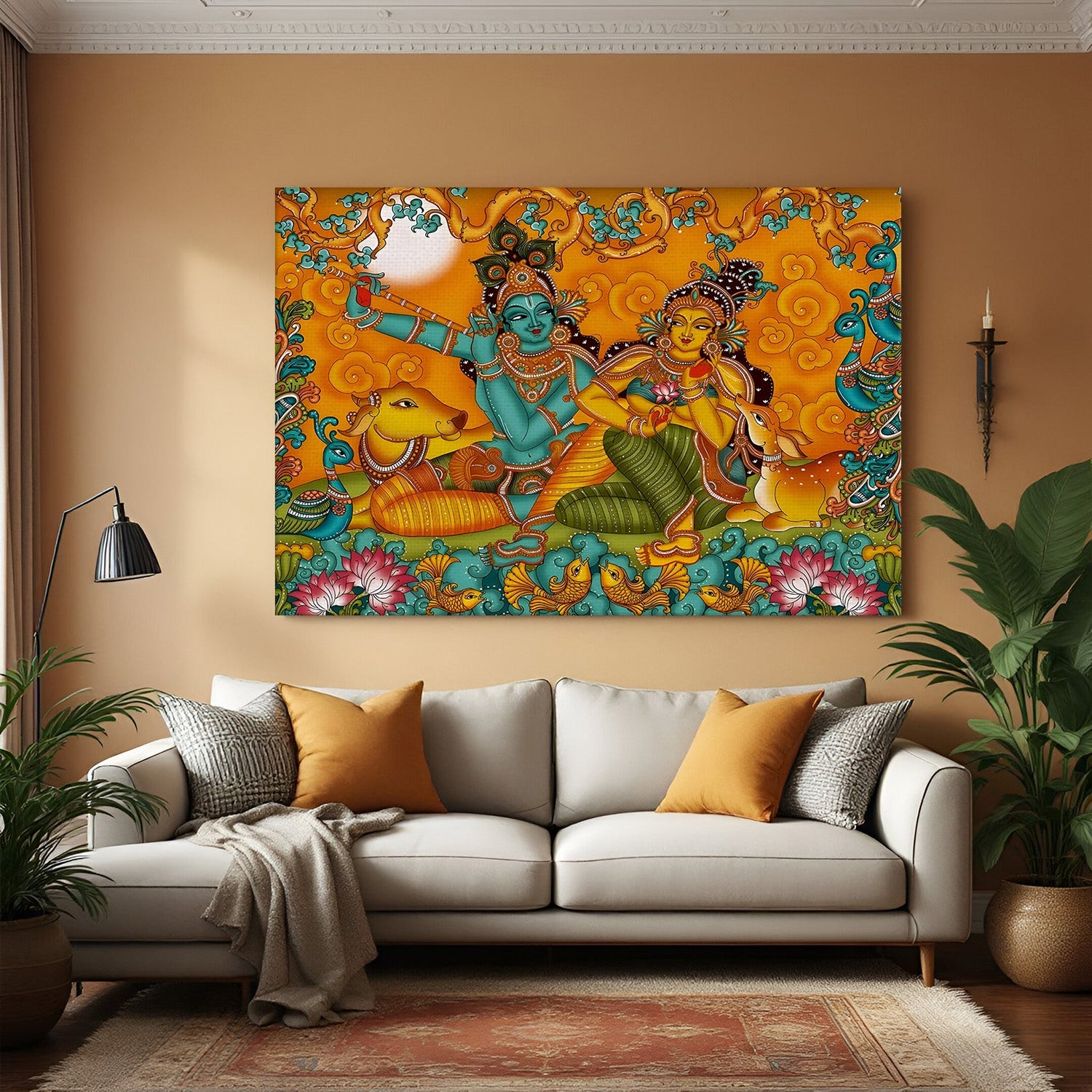
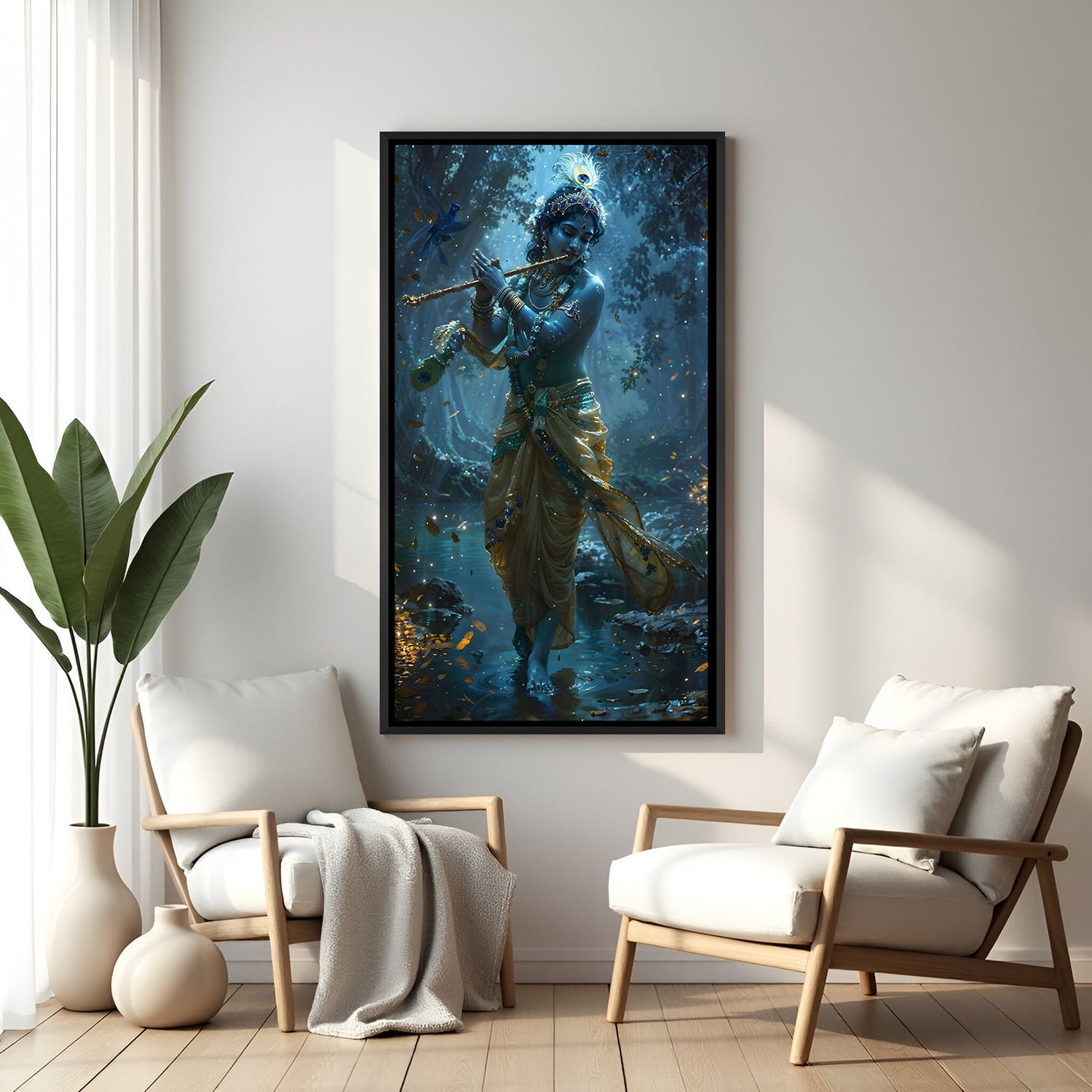
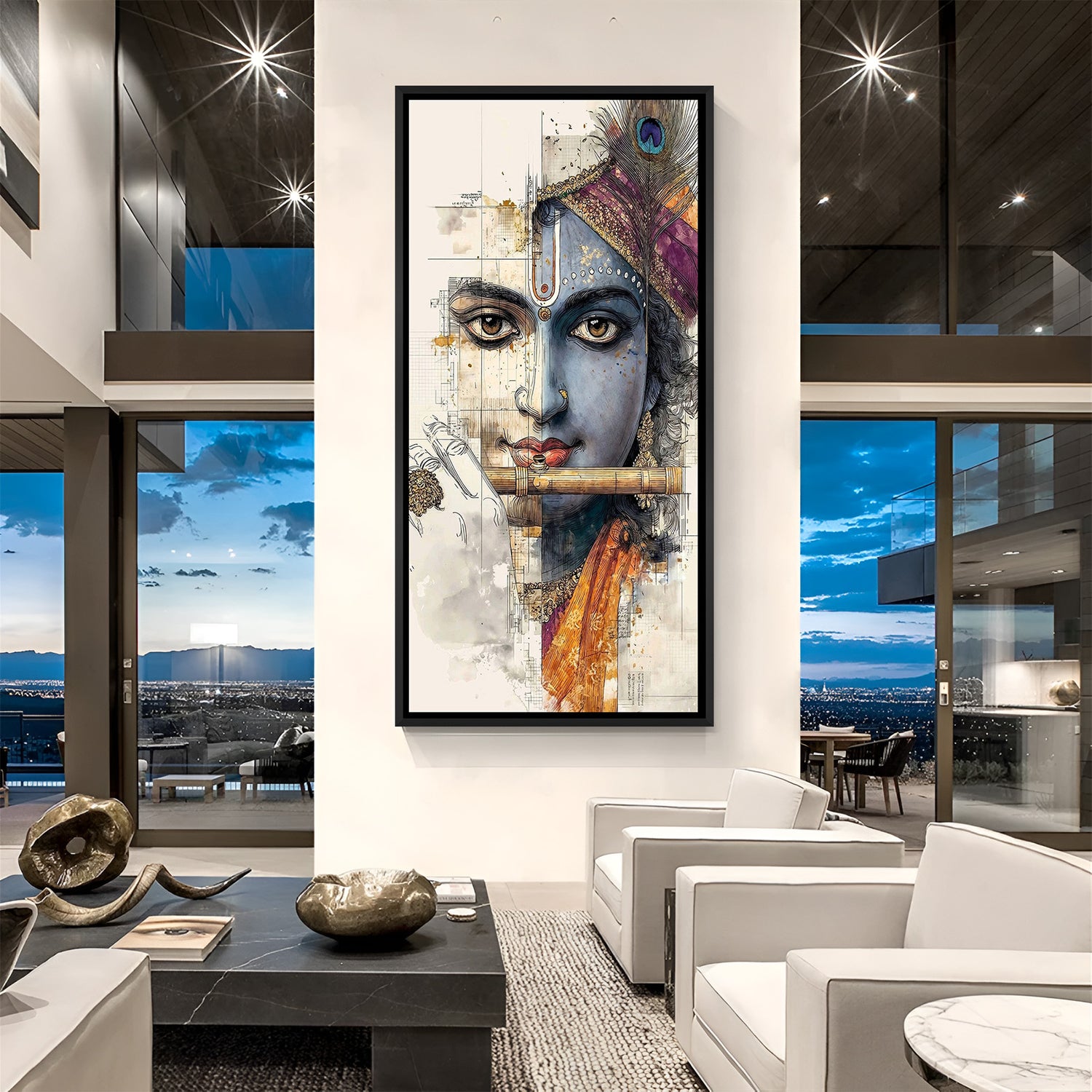
Krishna, in more than one mood
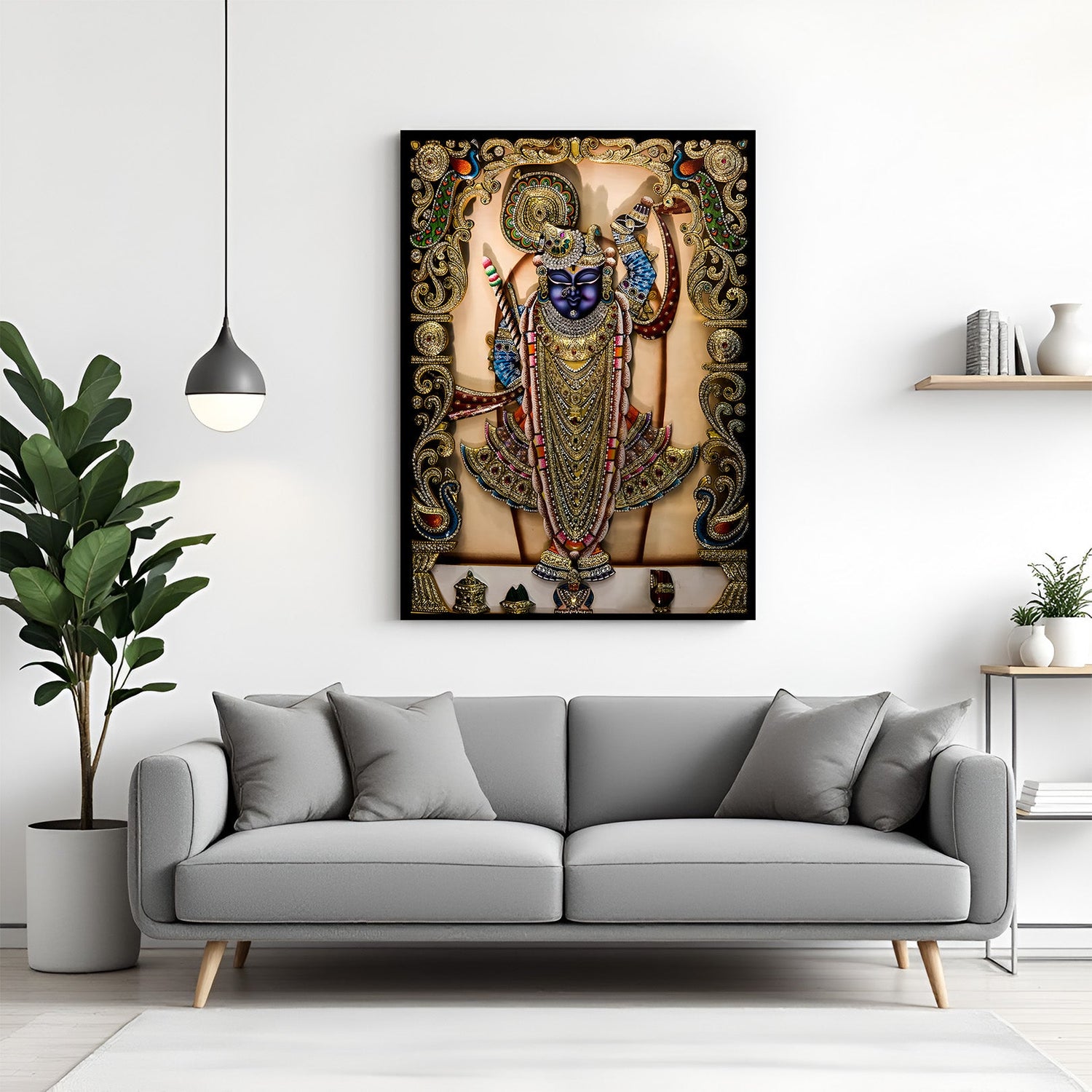
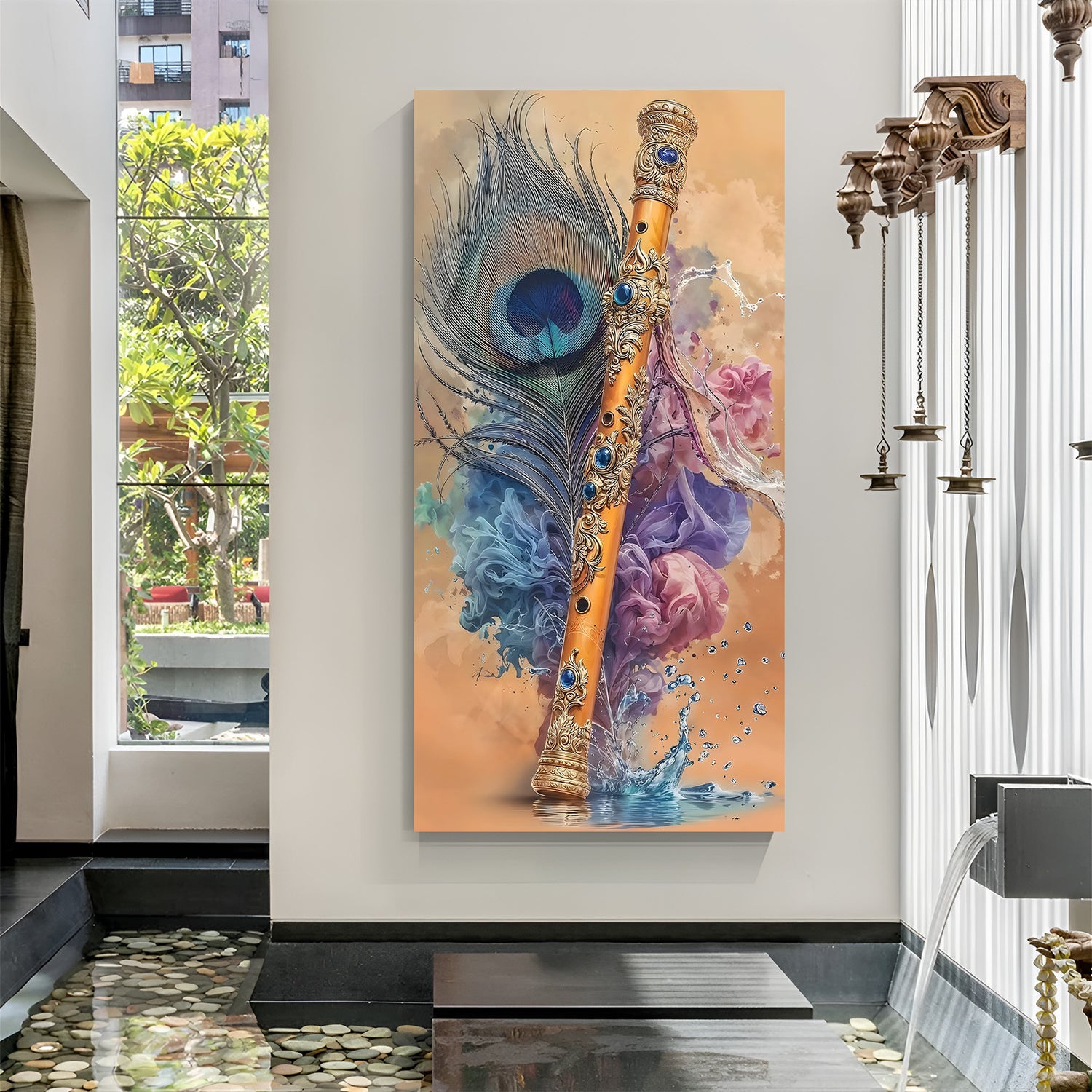
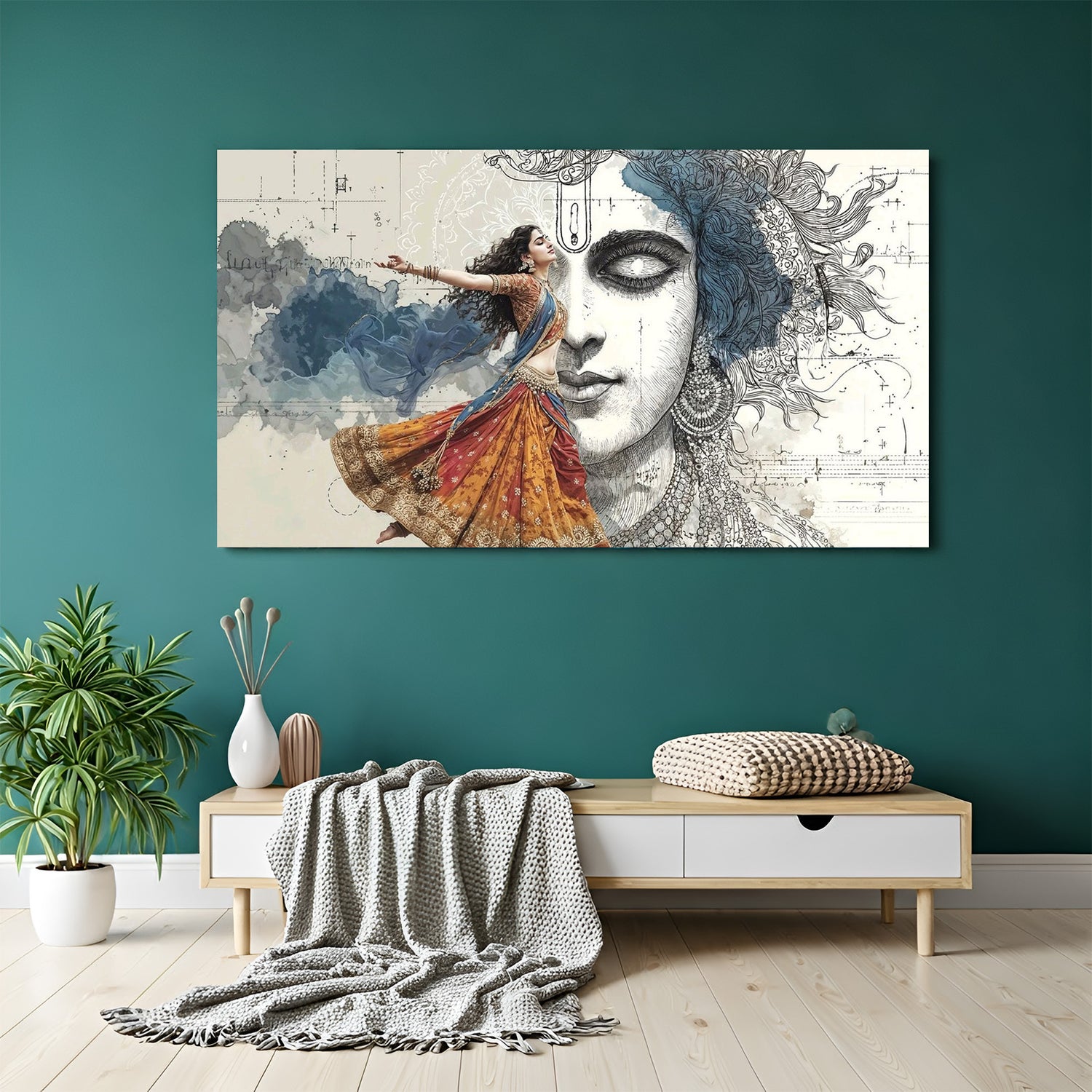
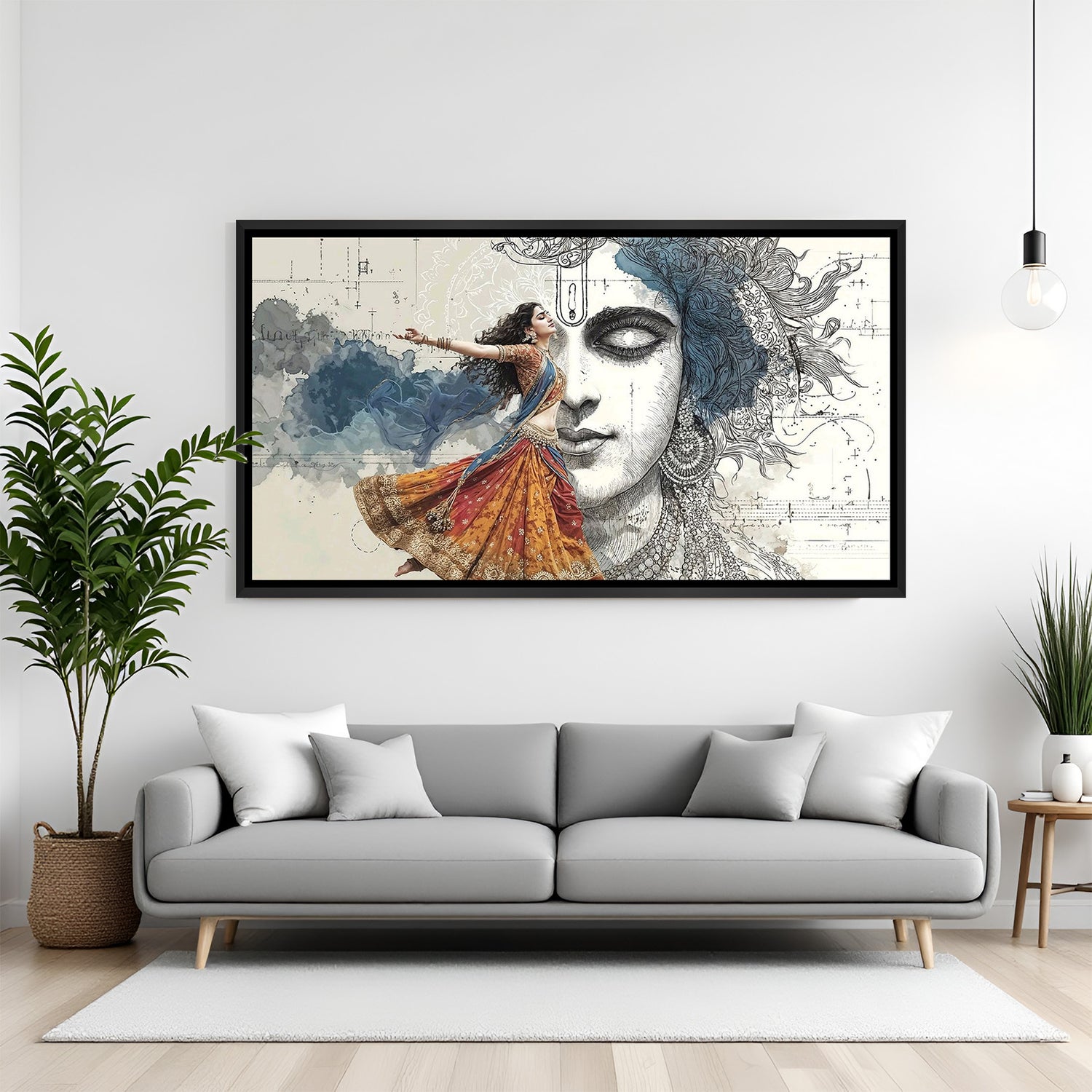
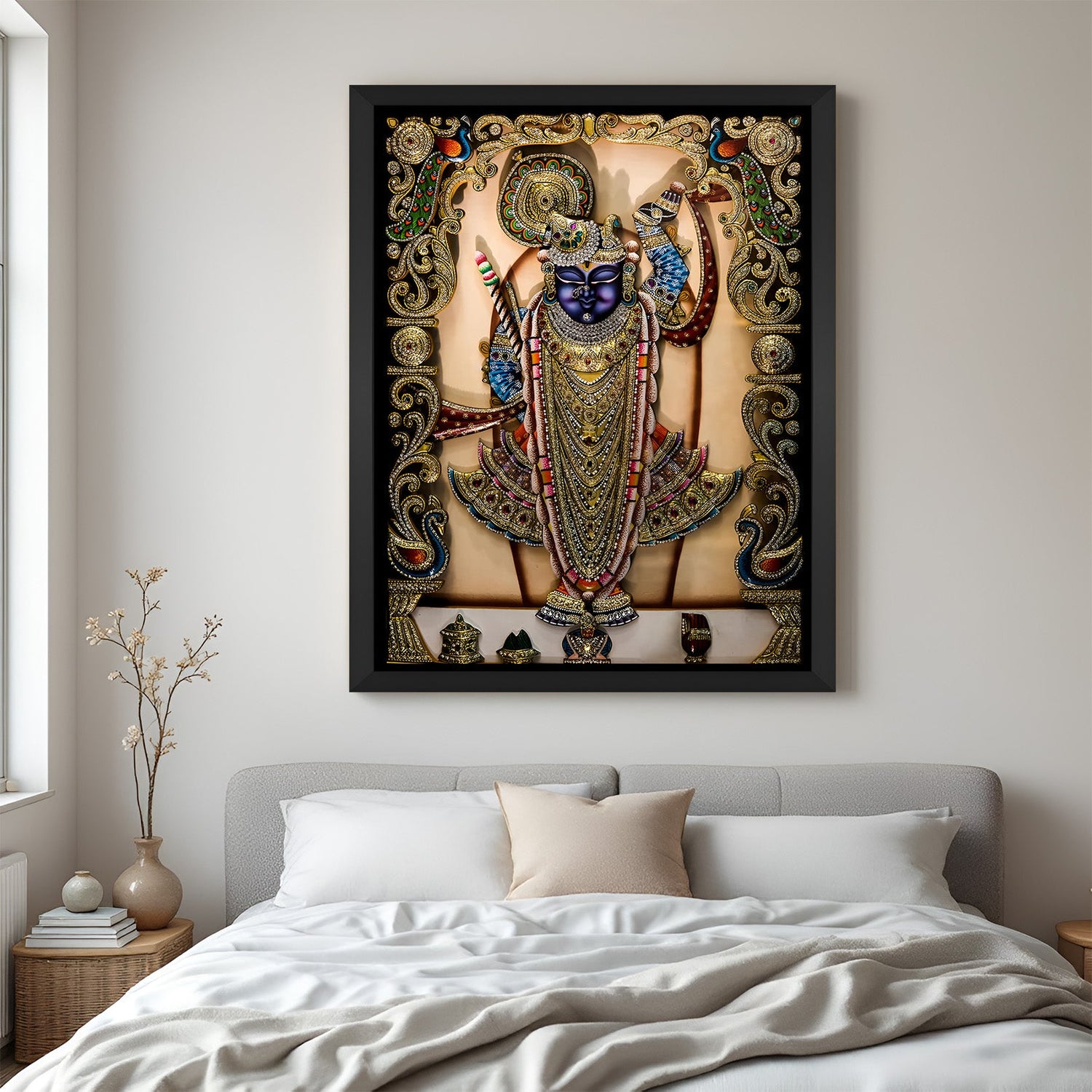
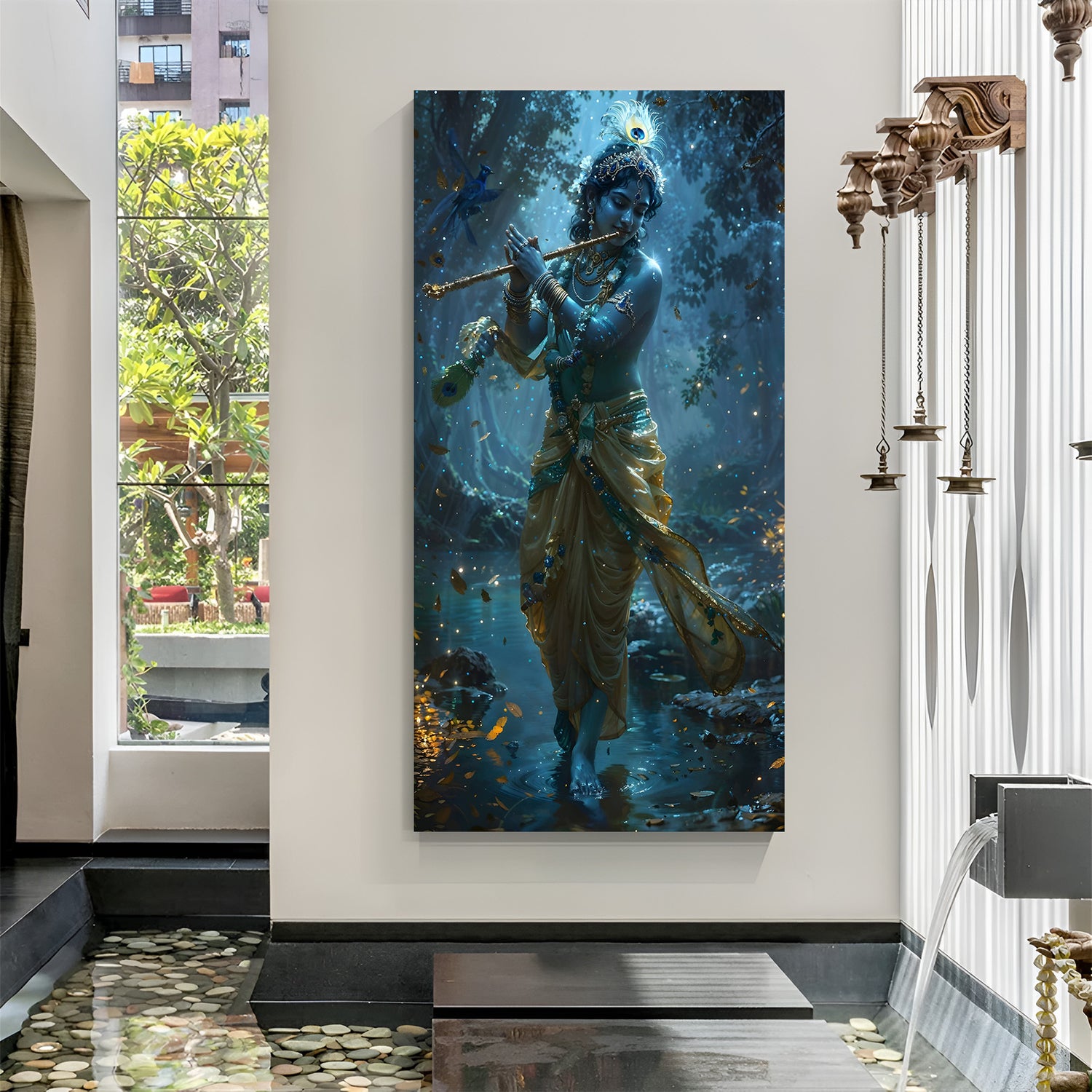
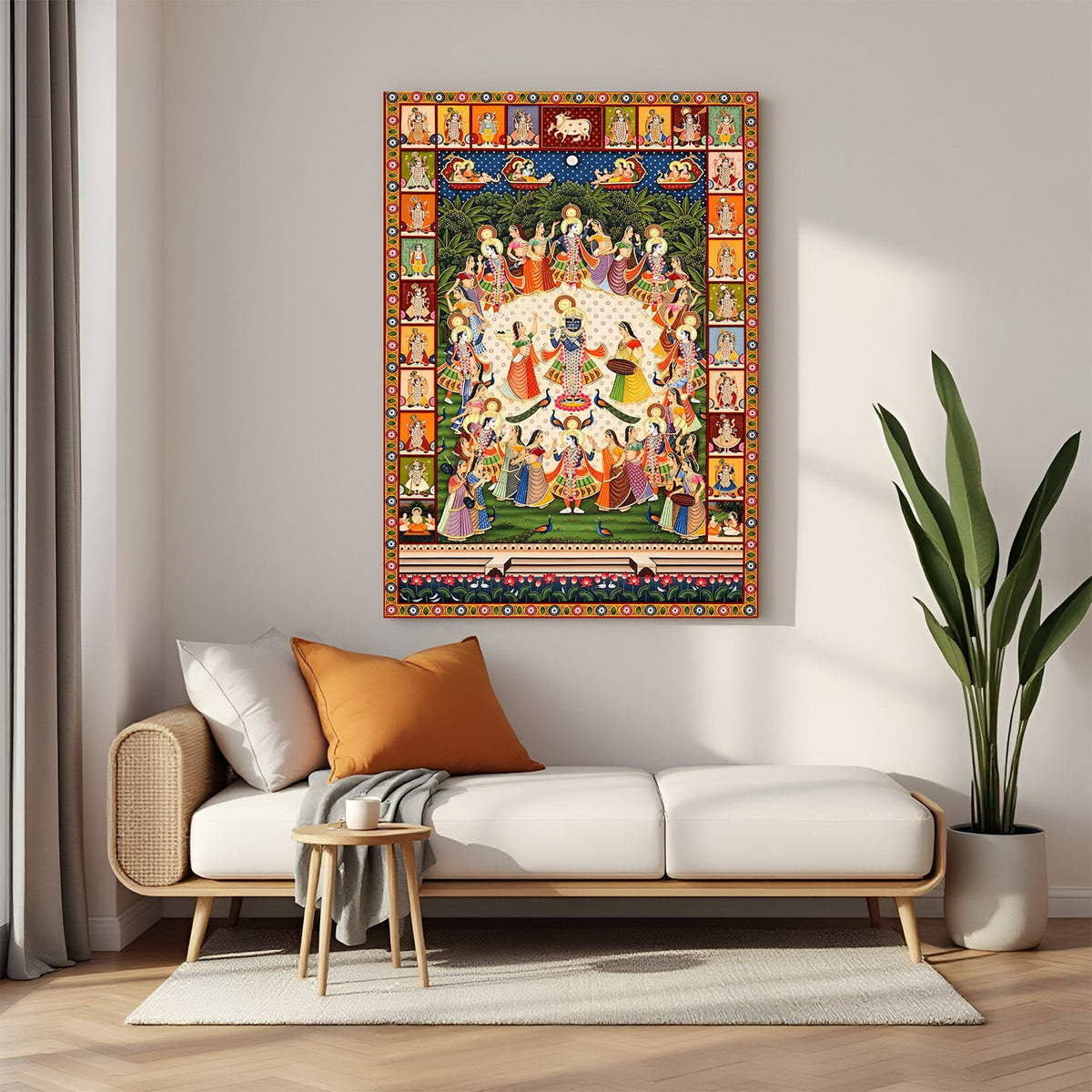
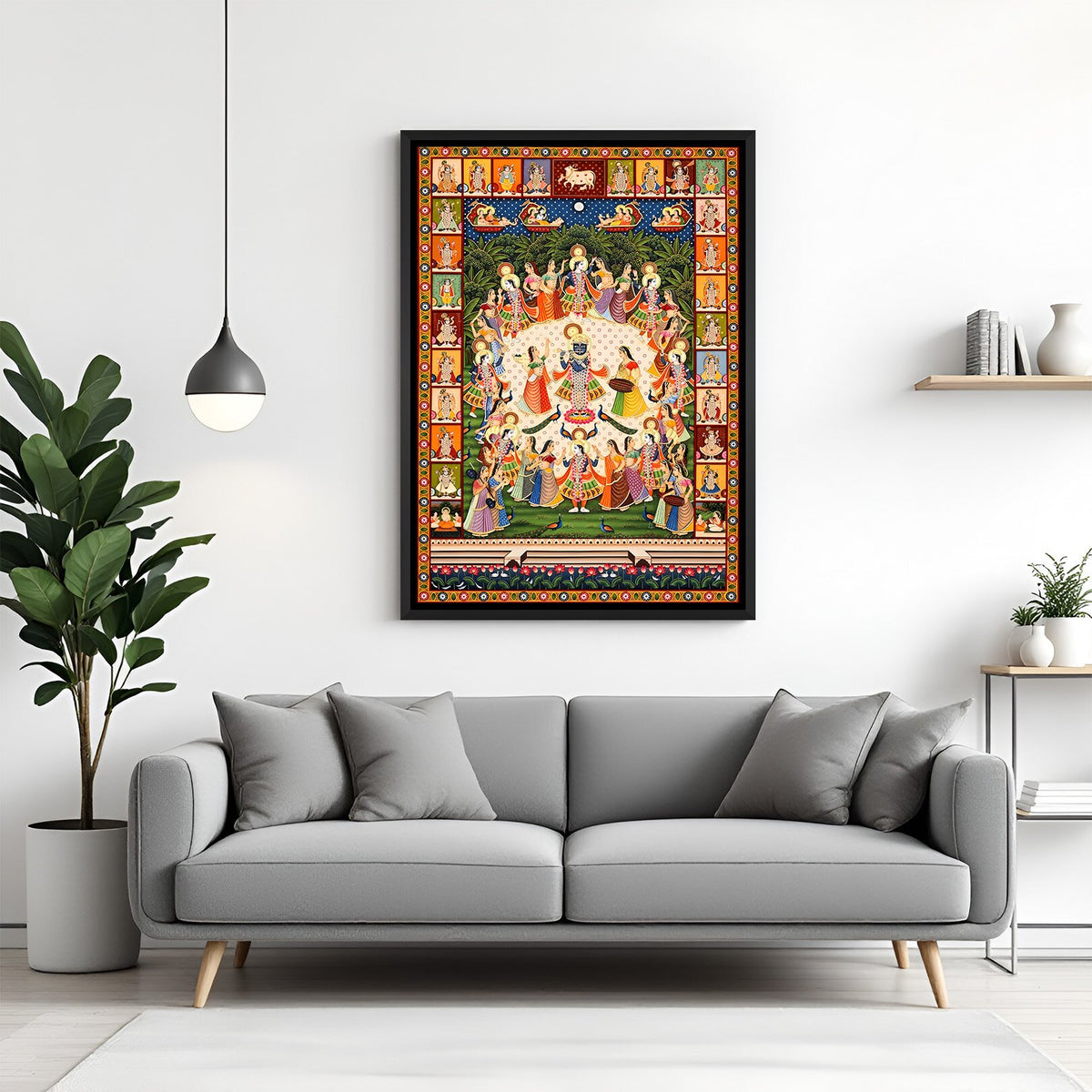
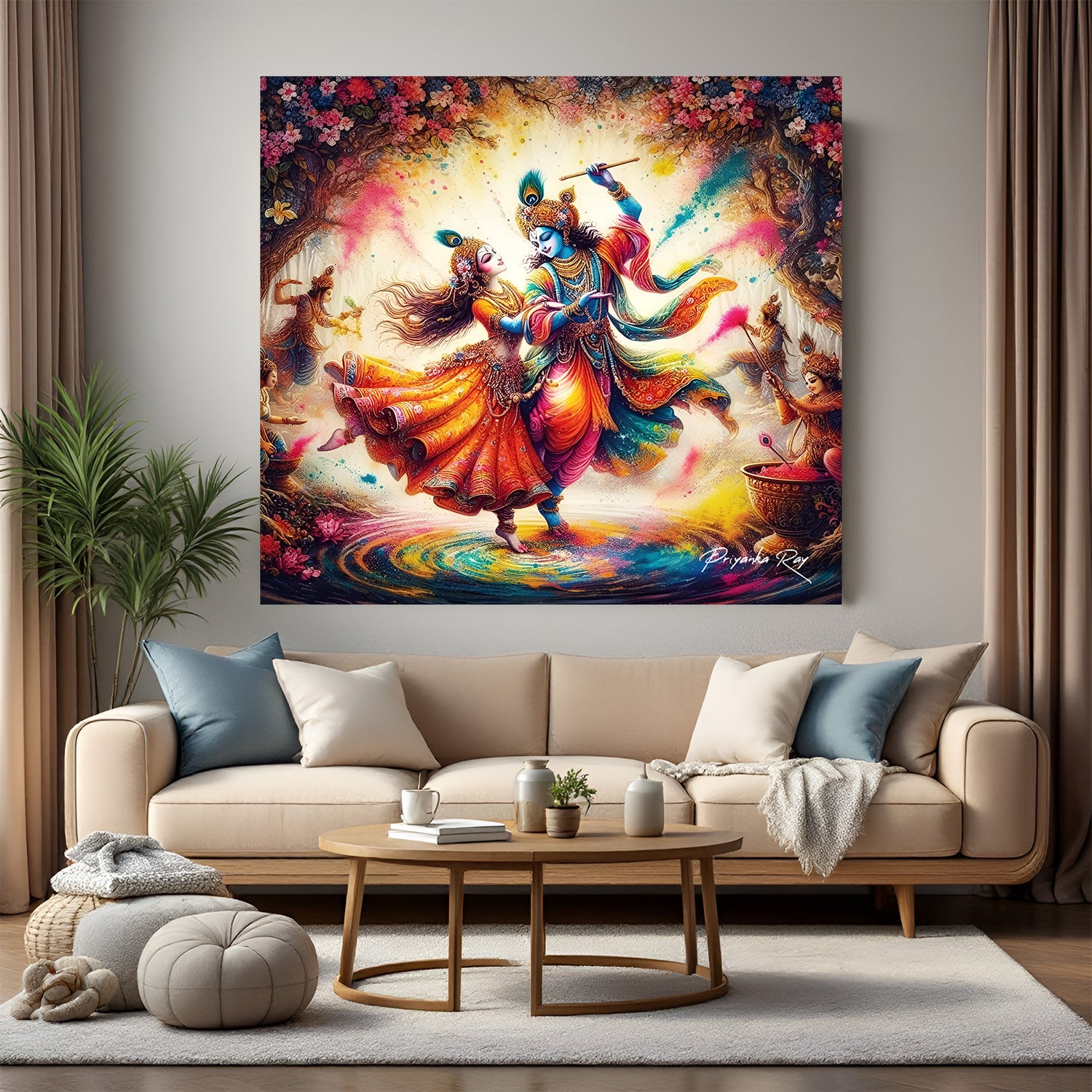
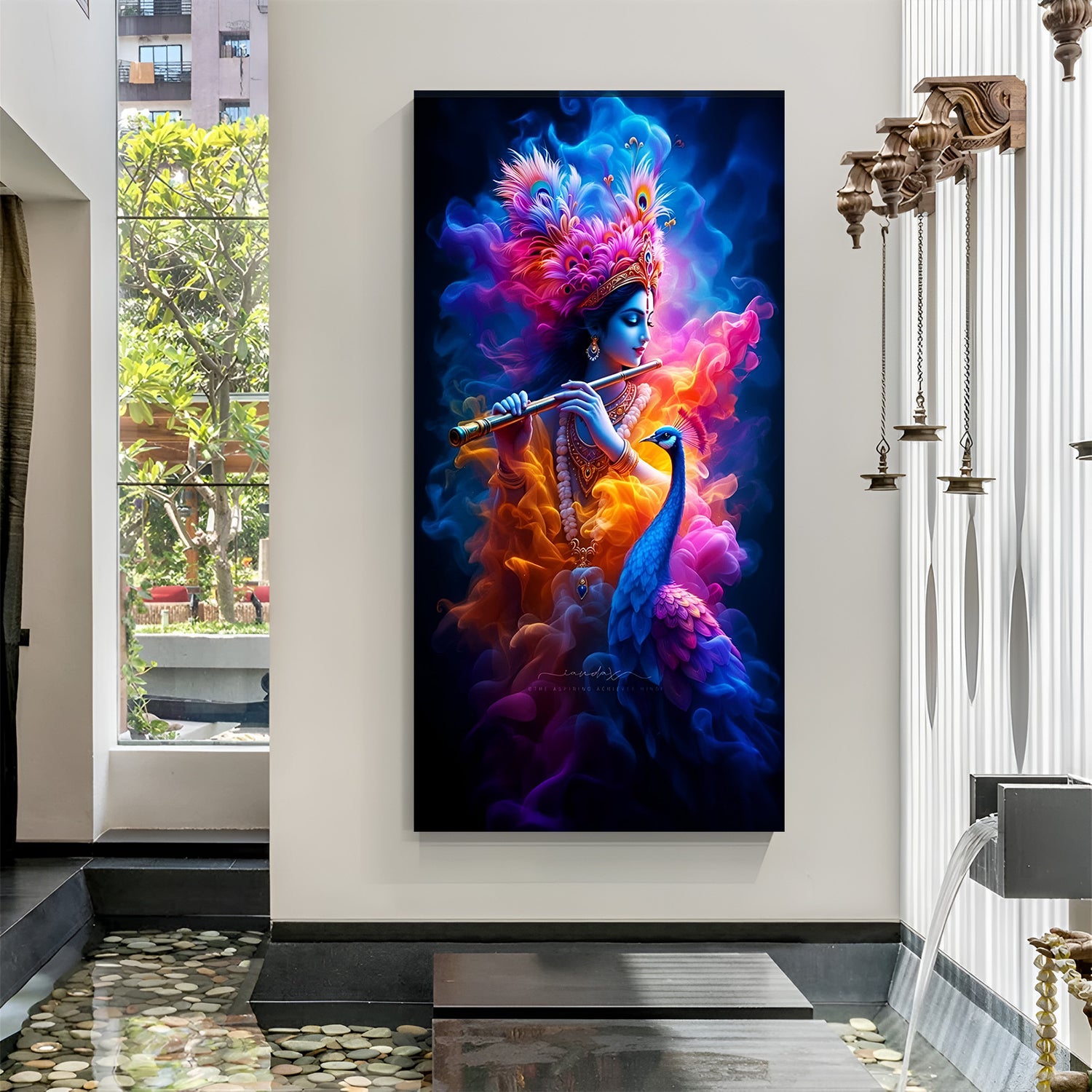
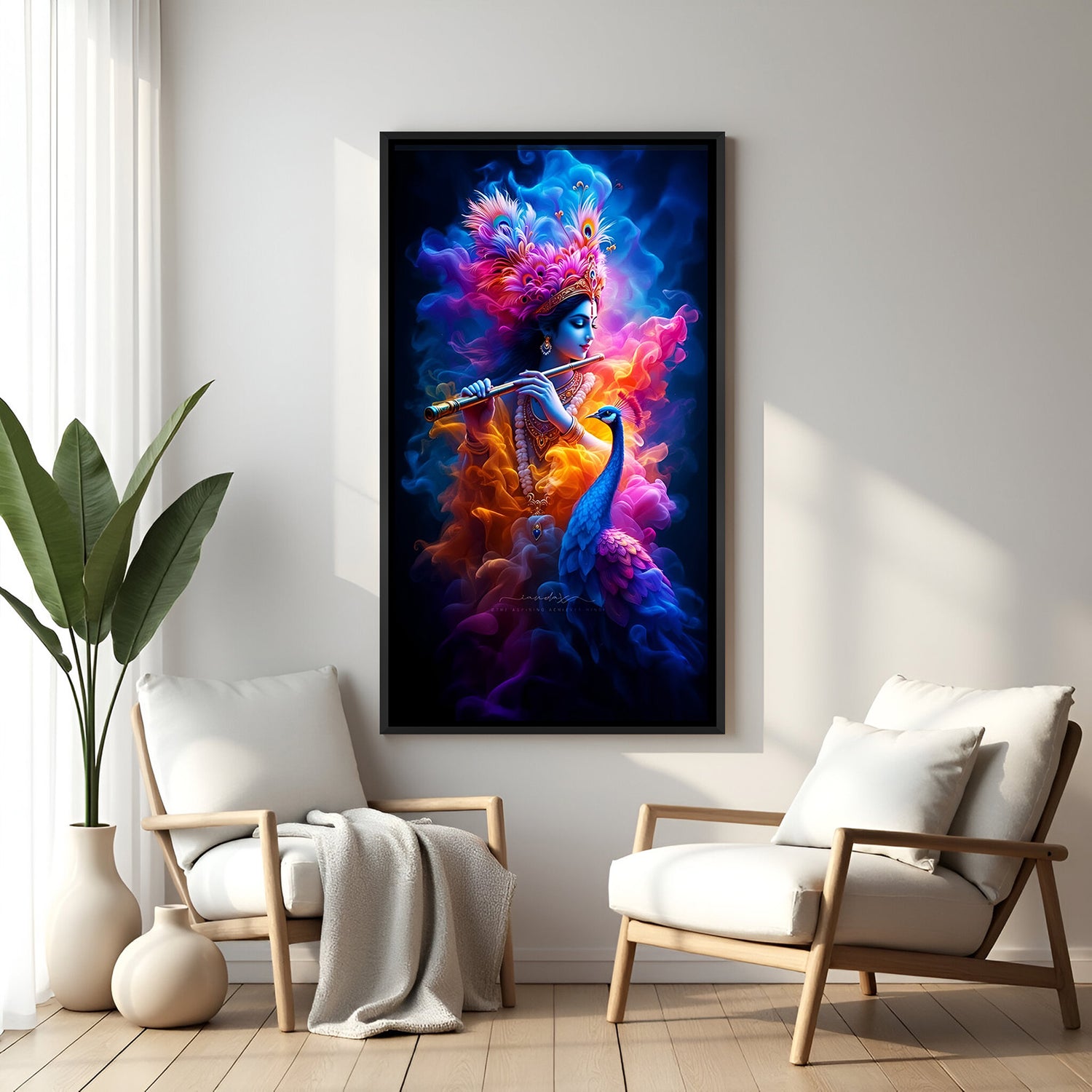
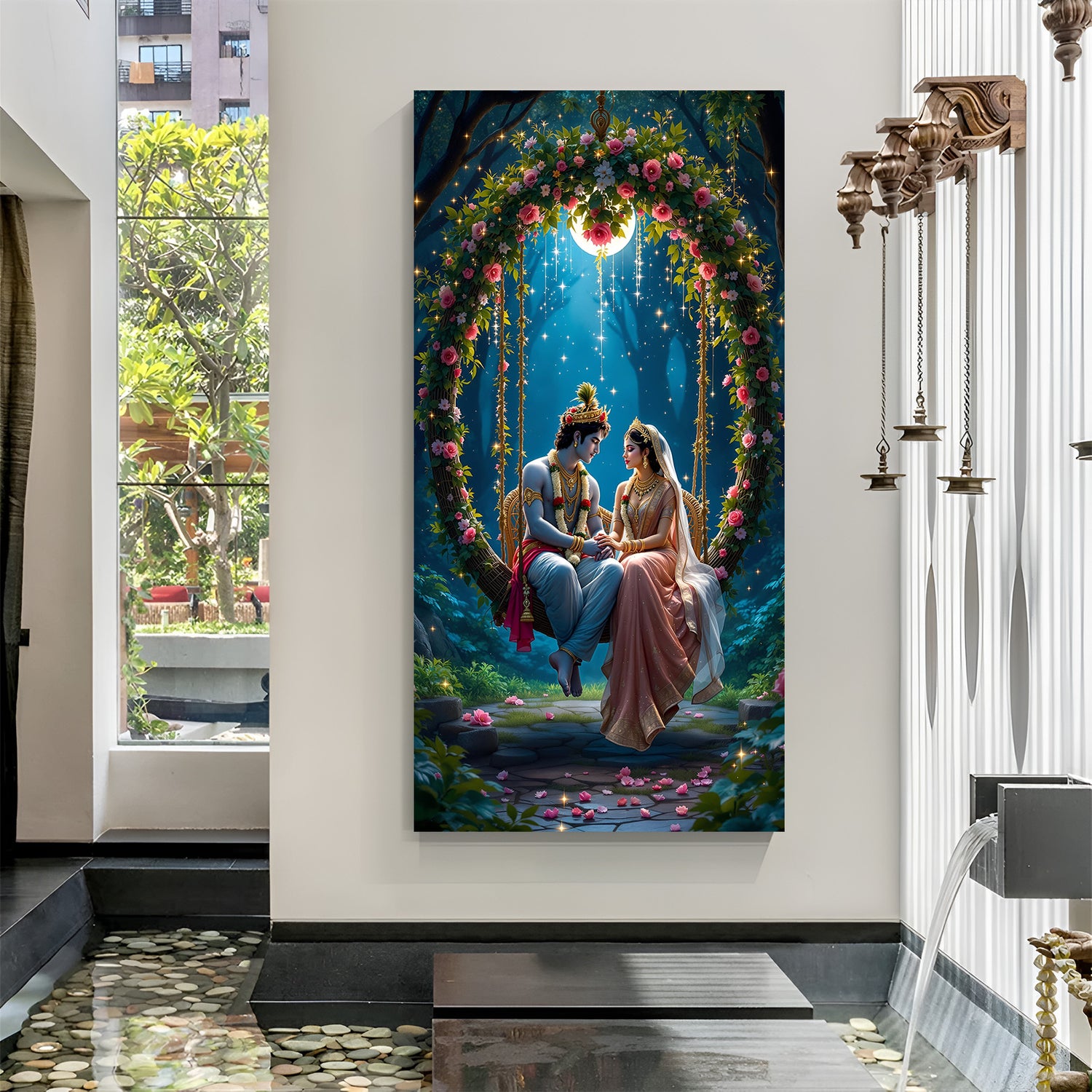
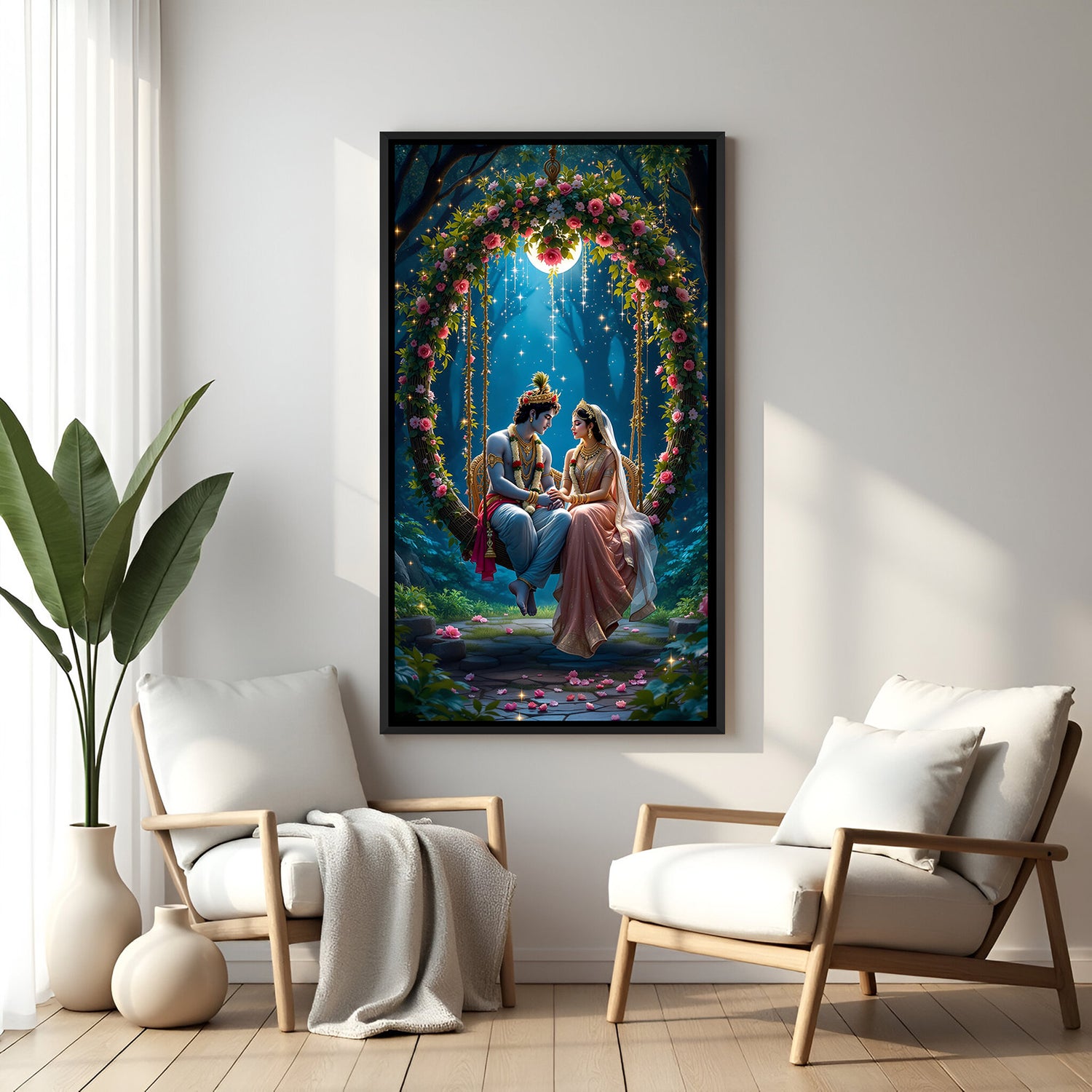
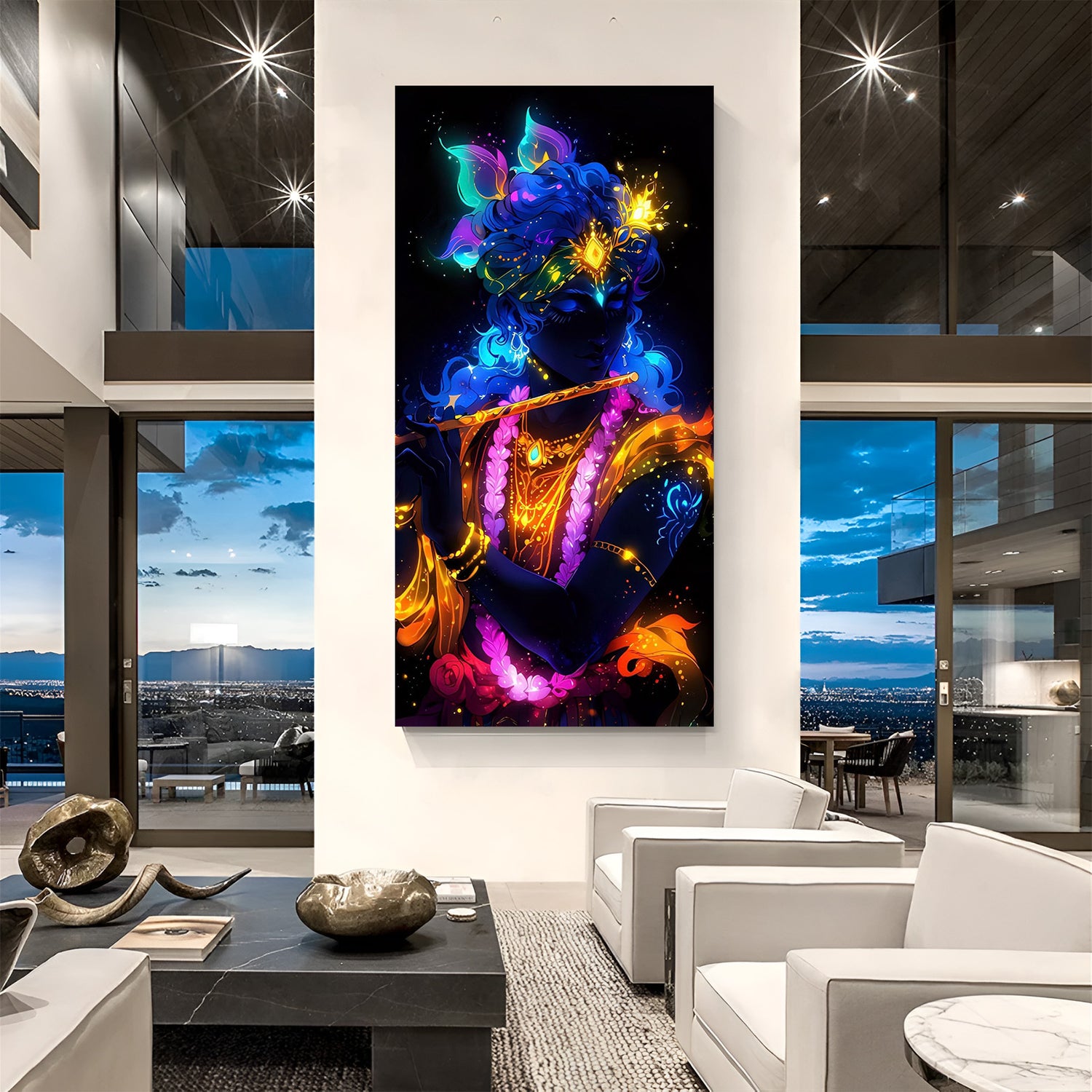
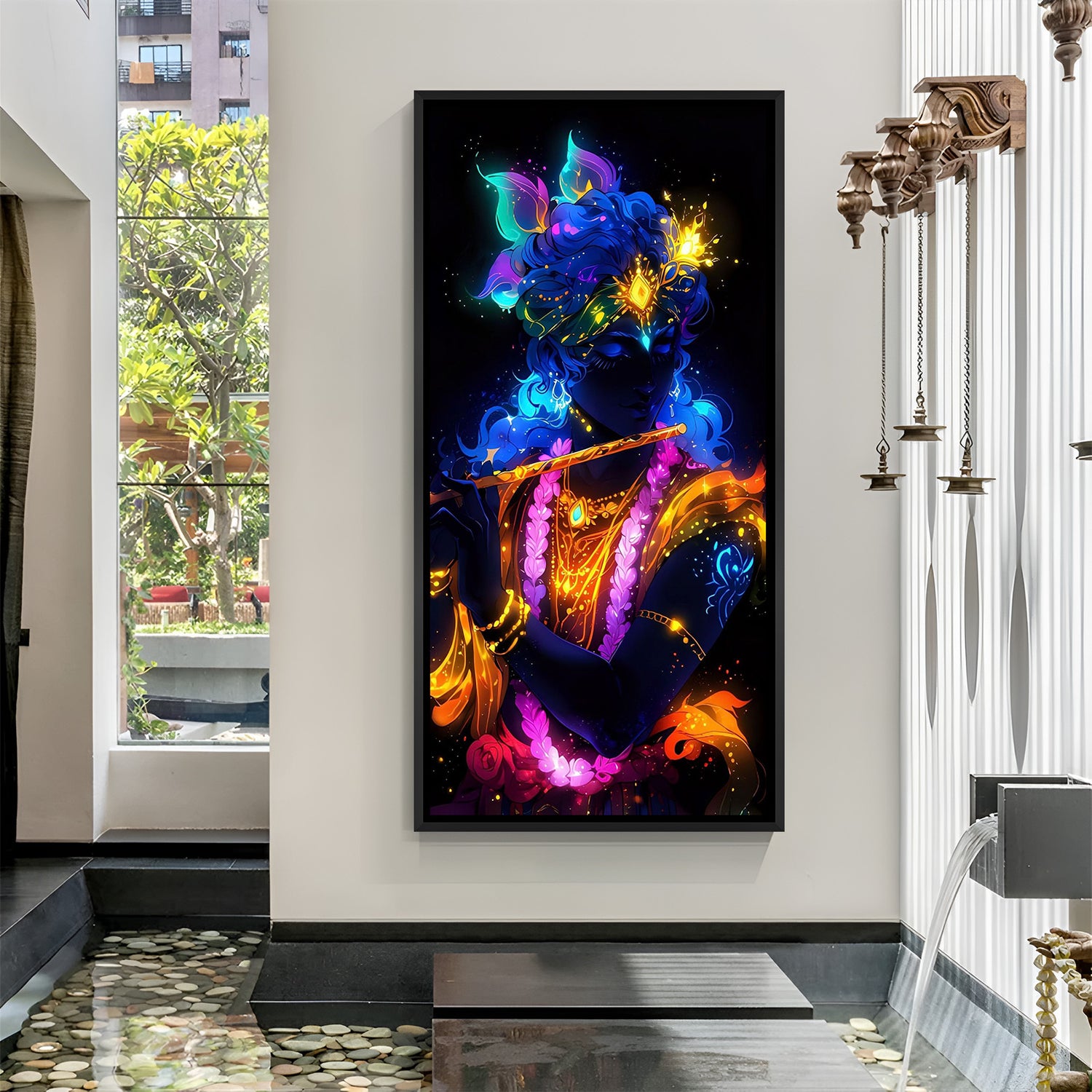
Most people come to us looking for Radha Krishna art for one of two reasons — either they want something for a shared bedroom that speaks to partnership and devotion together, or they want a living room piece with real emotional warmth to it, not just decorative color. Both work. A related but distinct figure is Shrinath Ji, a form of Krishna especially significant in Vaishnav households; if you're setting this up specifically for daily worship, our guide on Shrinath Ji's significance and placement is worth reading before you buy. We also get asked fairly often whether it's appropriate to gift a Radha Krishna painting — short answer: yes, and it's considered one of the more auspicious gifts you can give a couple.
Hanuman Ji and Shiva — strength and stillness
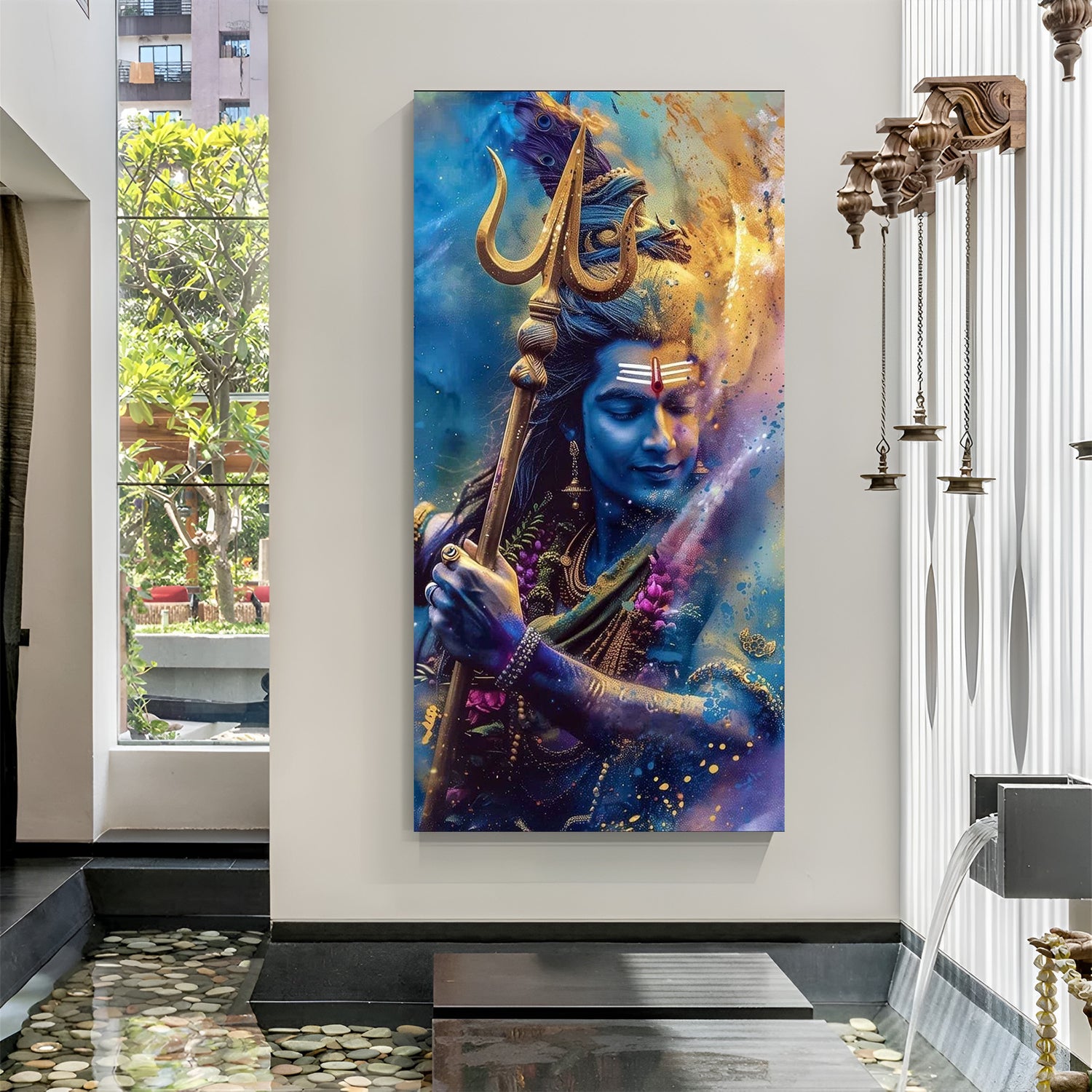
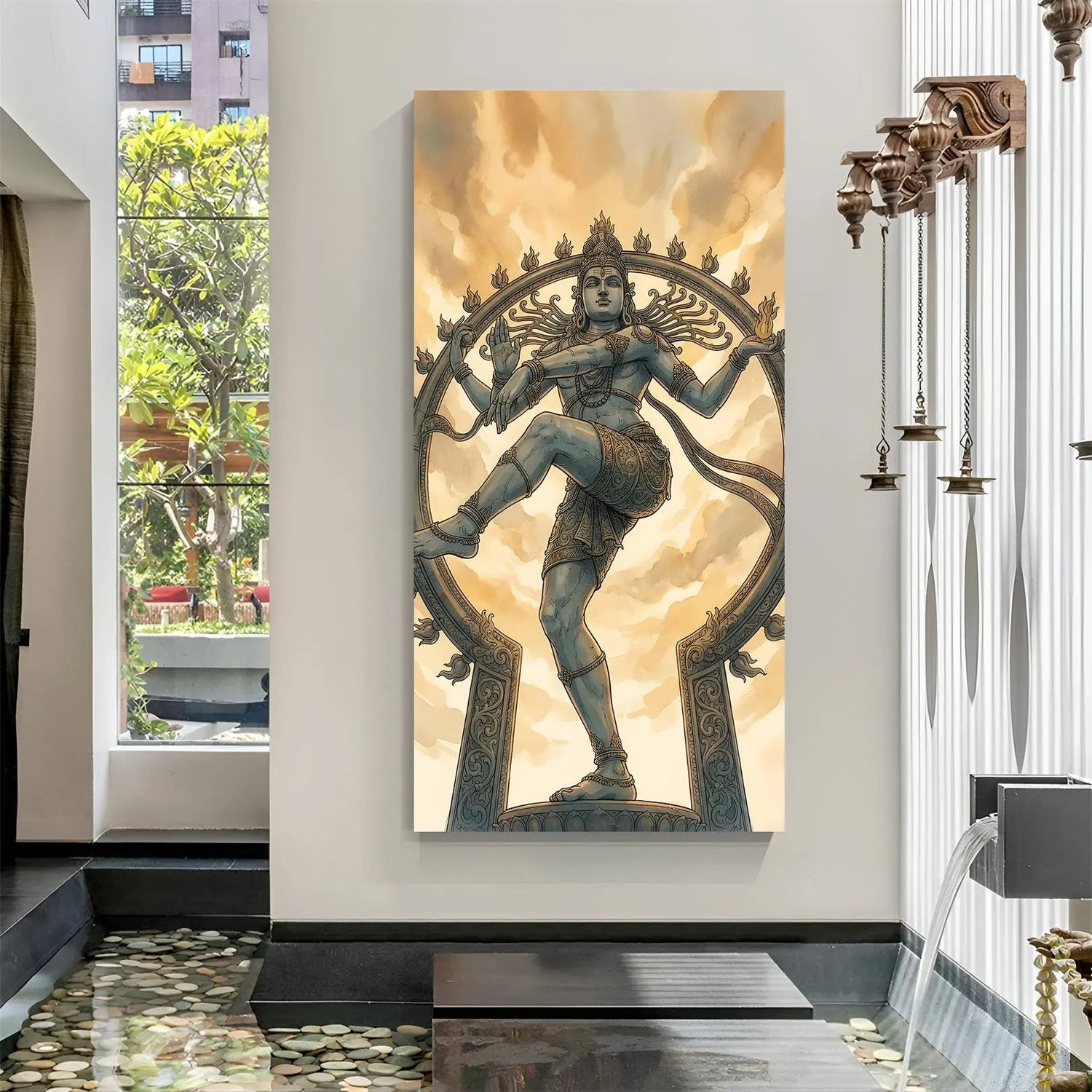
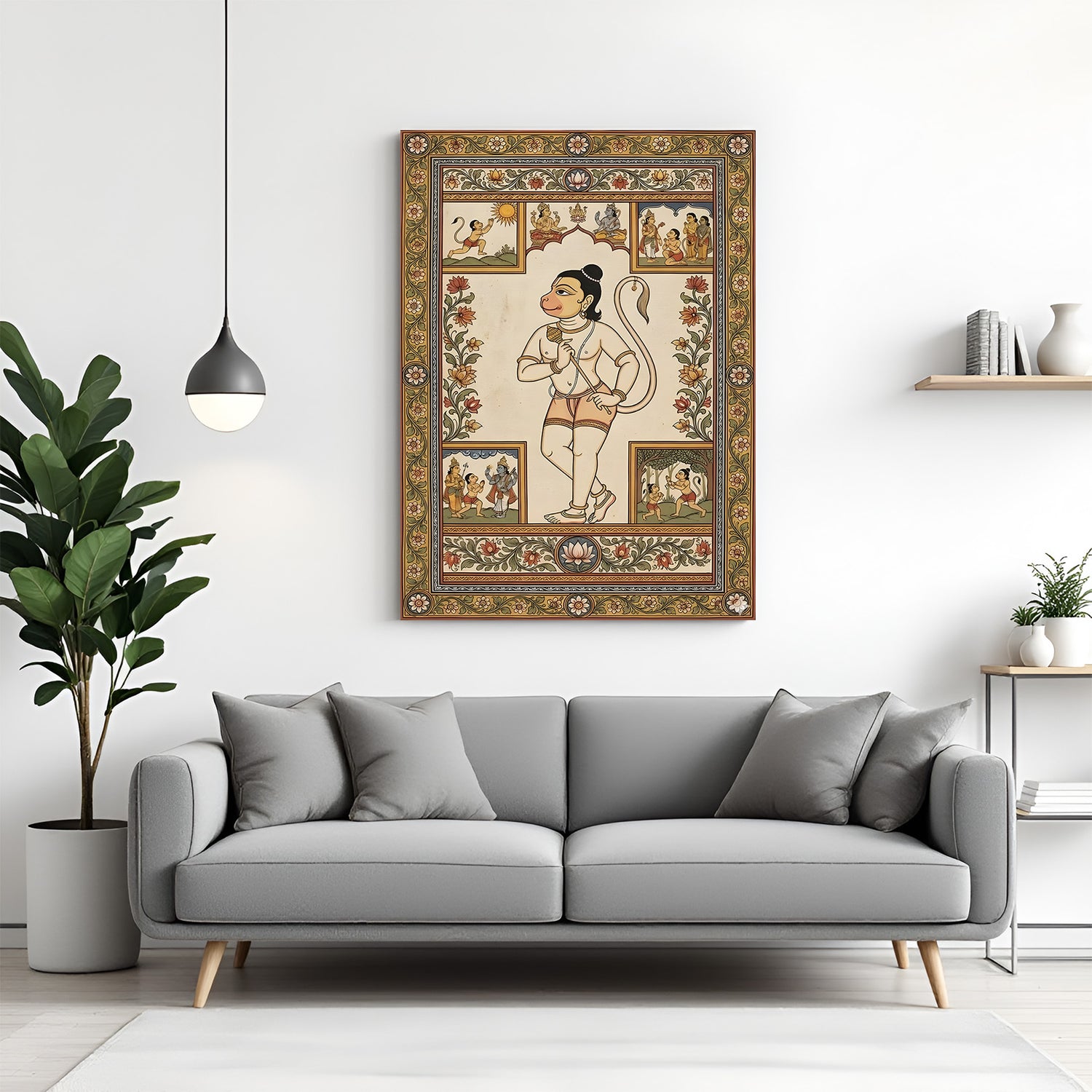
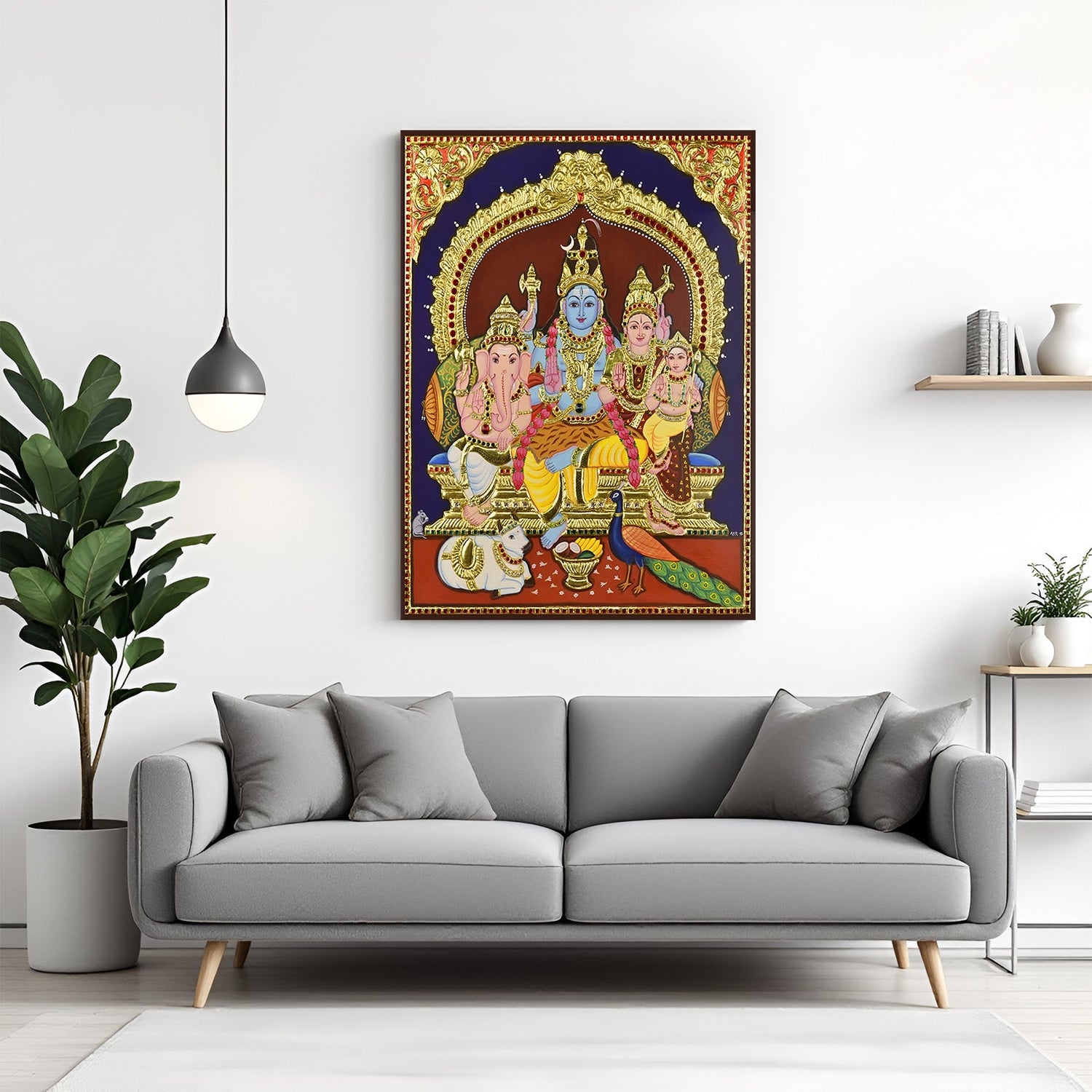
Hanuman Ji tends to go up facing the entrance, less as decoration and more as a kind of guard — the belief being that his presence keeps negative energy from settling in. We cover the reasoning and the right direction in more detail in our piece on Hanuman painting placement. Shiva is a different register entirely — Shiv Ji wall art is usually chosen for meditation corners or quiet living-room walls, and it's a question we hear often enough that we wrote a full answer on whether it's appropriate to keep a Shiva photo at home at all, and how.
Ram, Jagannath, and Tirupati Balaji — devotion with regional roots
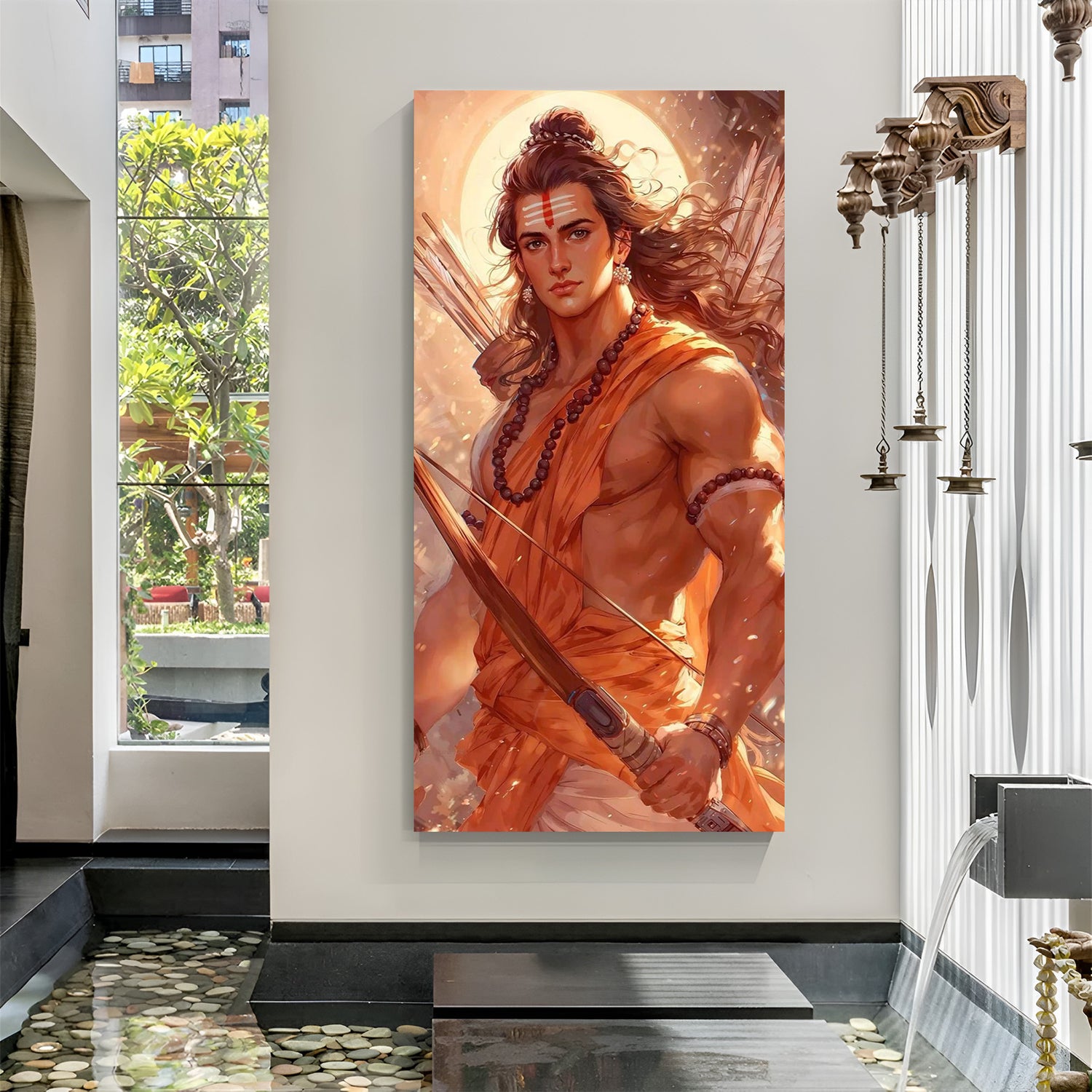
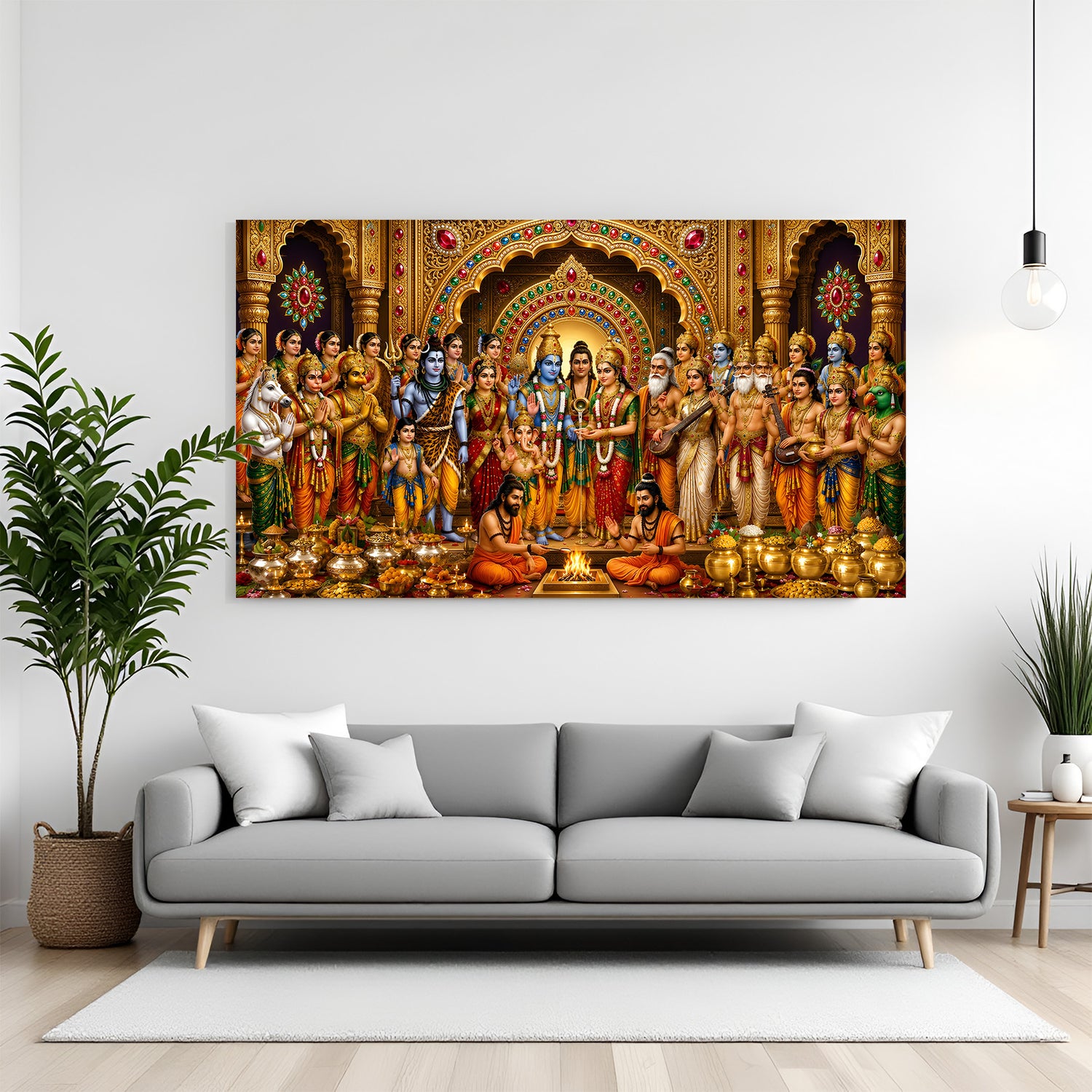
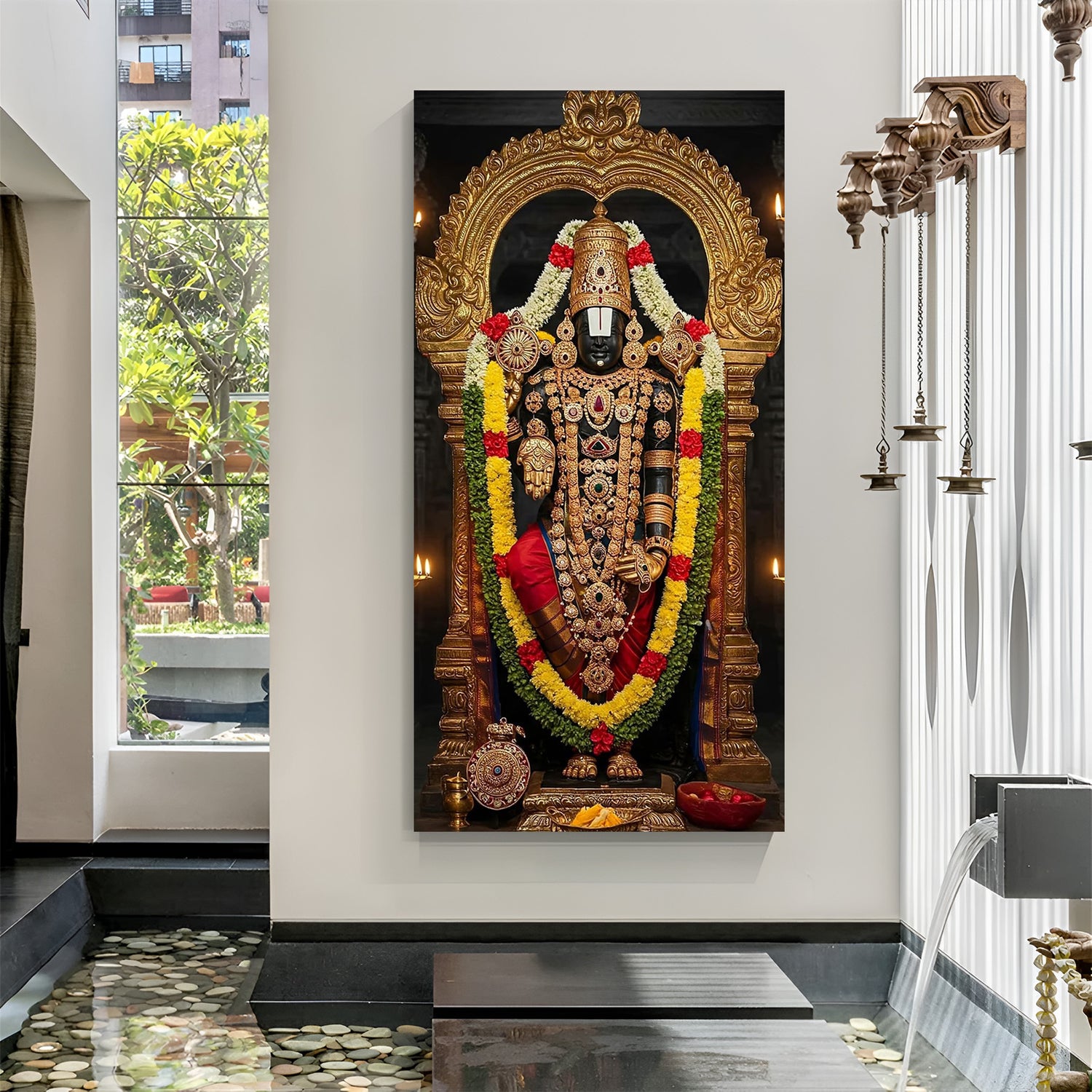
Shree Ram Ji paintings carry a sense of order and moral steadiness that suits living rooms and pooja spaces equally well — we've written about the specific direction and benefits if you want the detail. Jagannath Ji art, especially popular in Odia and Bengali homes, actually comes in enough visual styles that we ranked them by room and mood in a separate guide. And Tirupati Balaji — Lord Venkateswara — is one of the most requested devotional pieces we carry, generally reserved for a dedicated pooja wall rather than the living room.
Peacocks, waterfalls, and running horses — the non-deity favorites
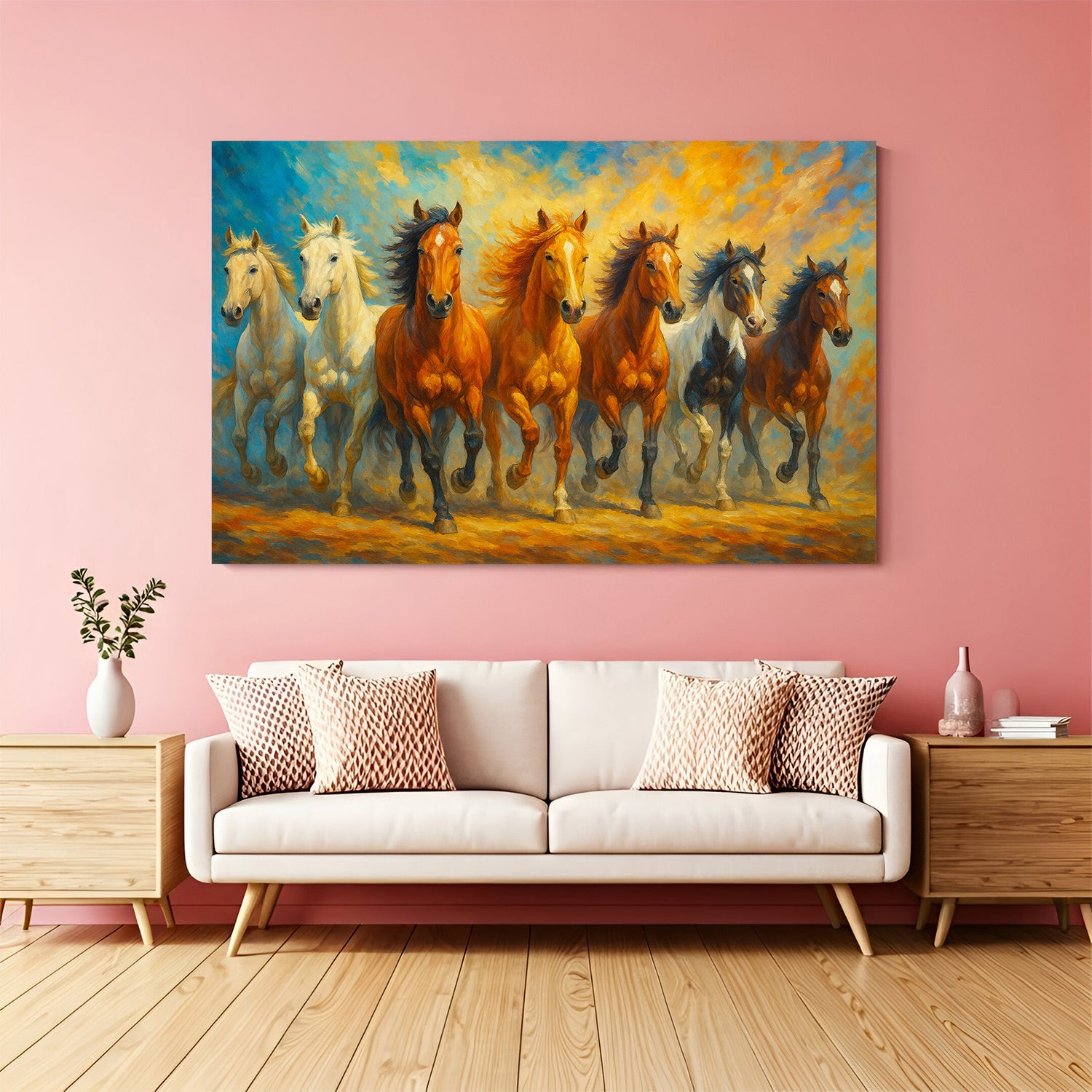
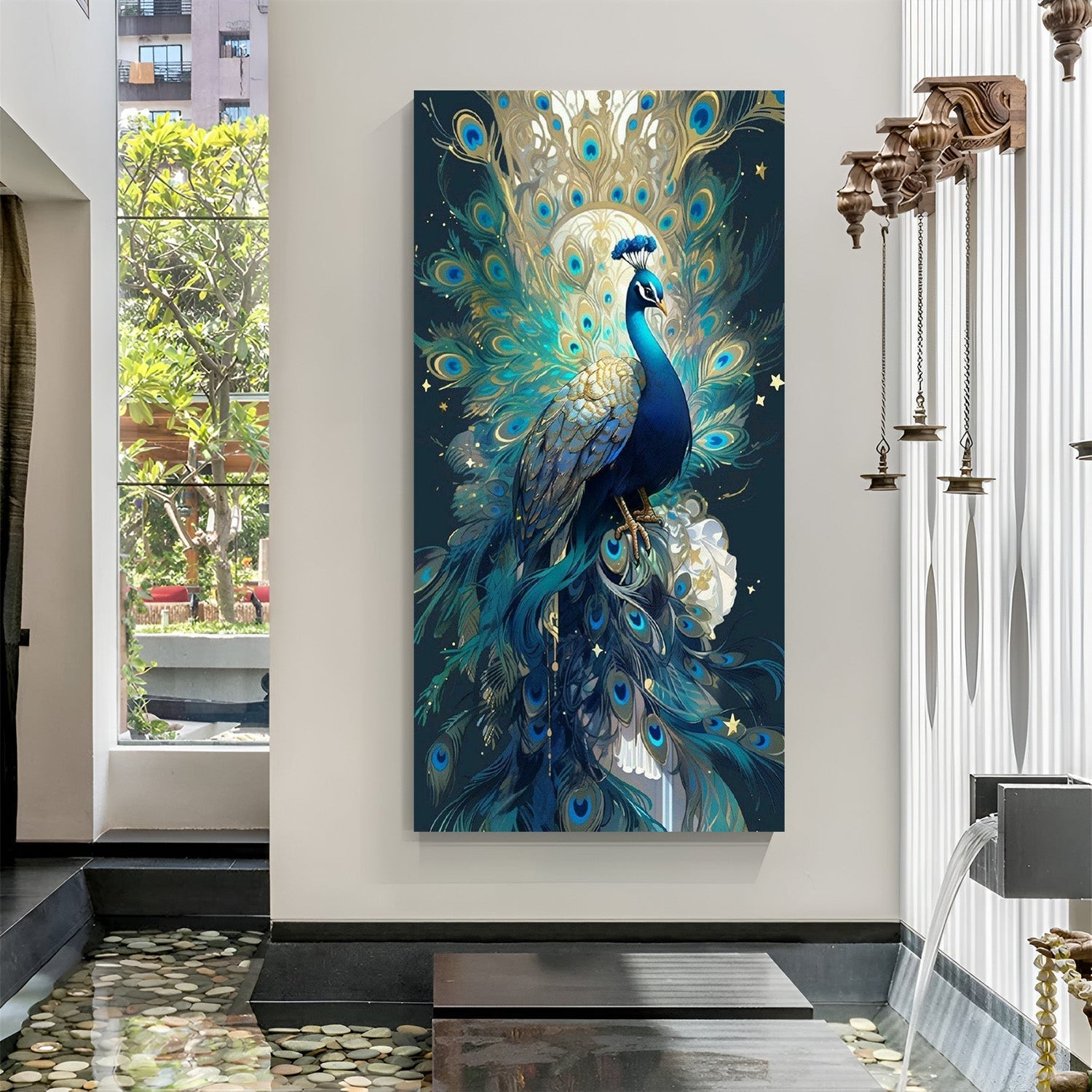
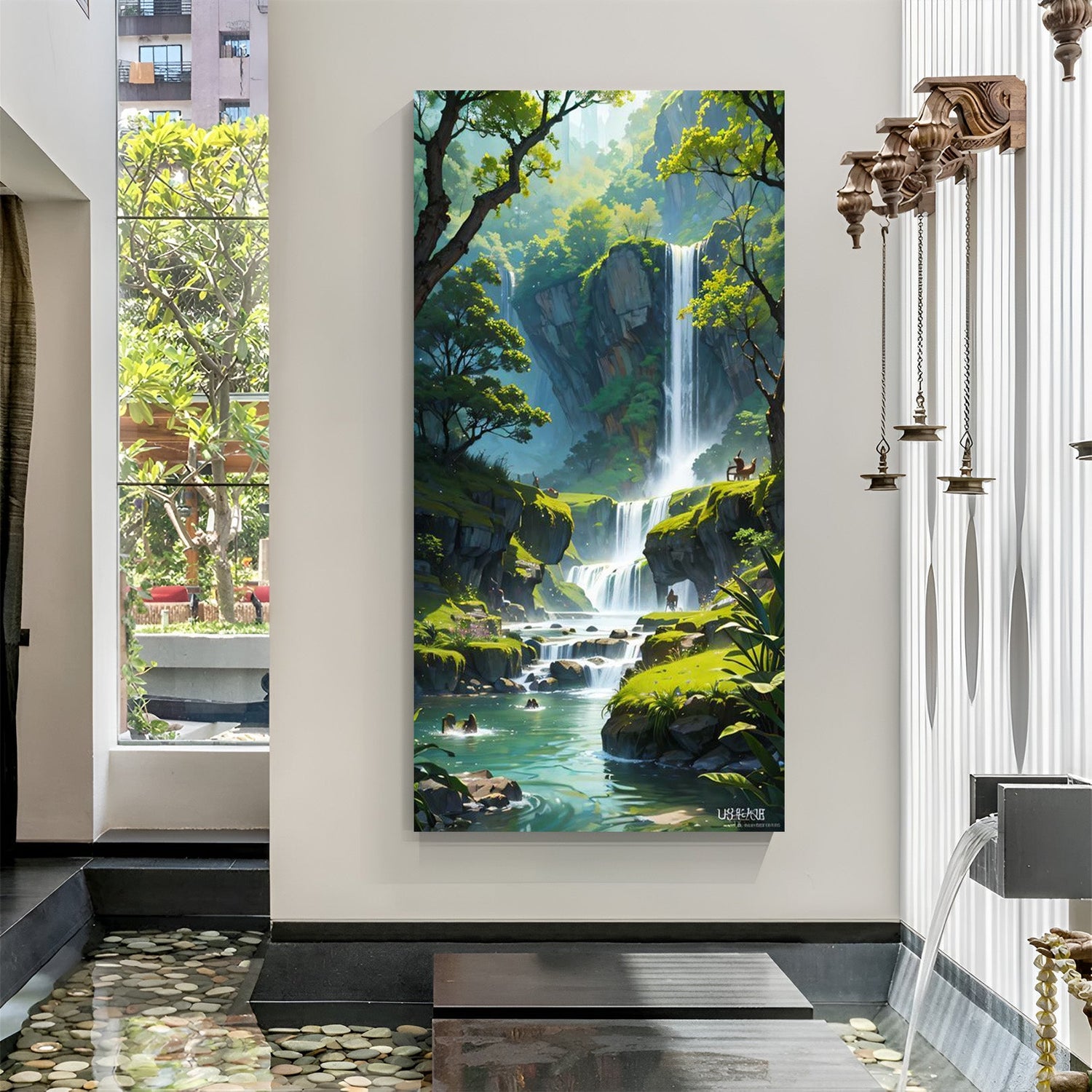
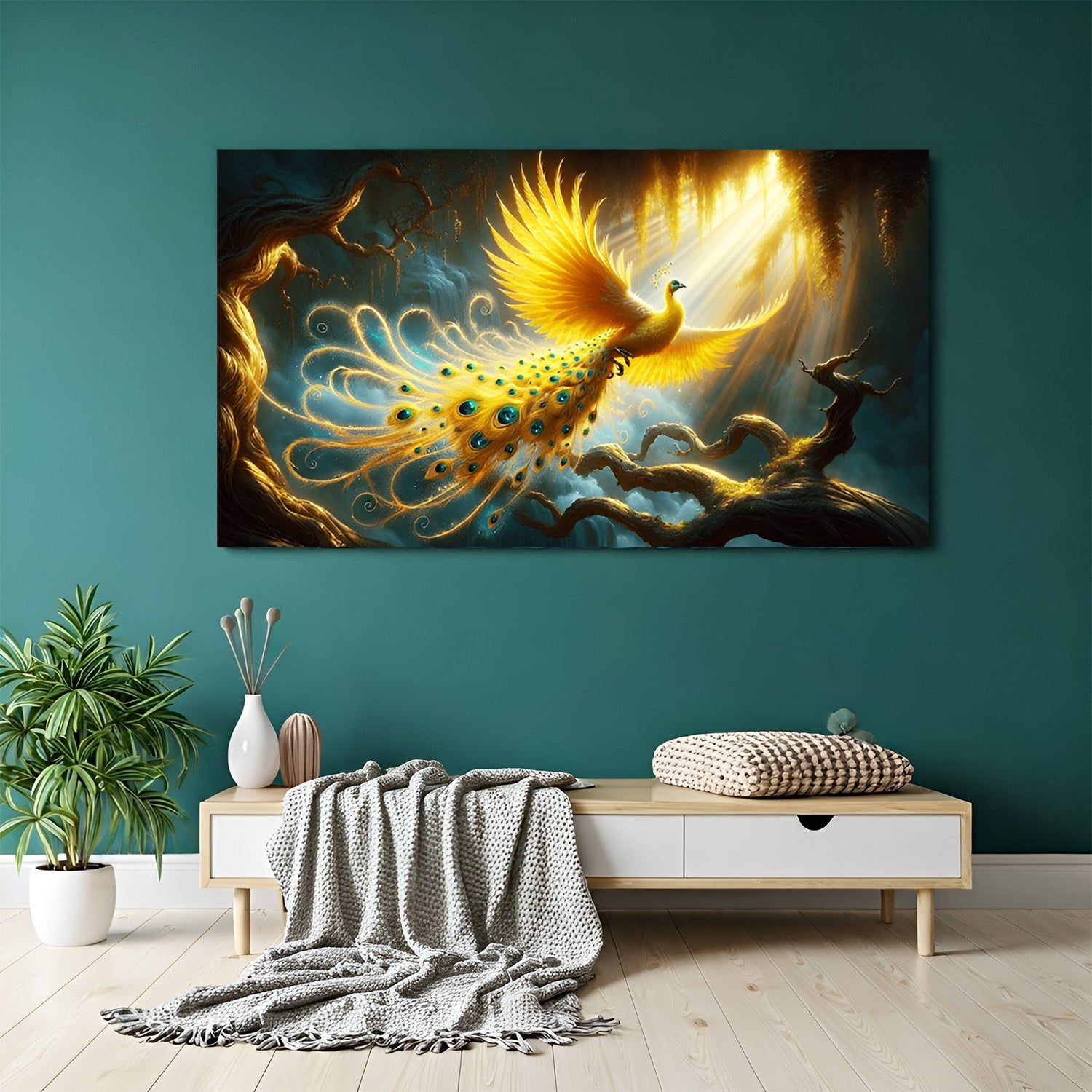
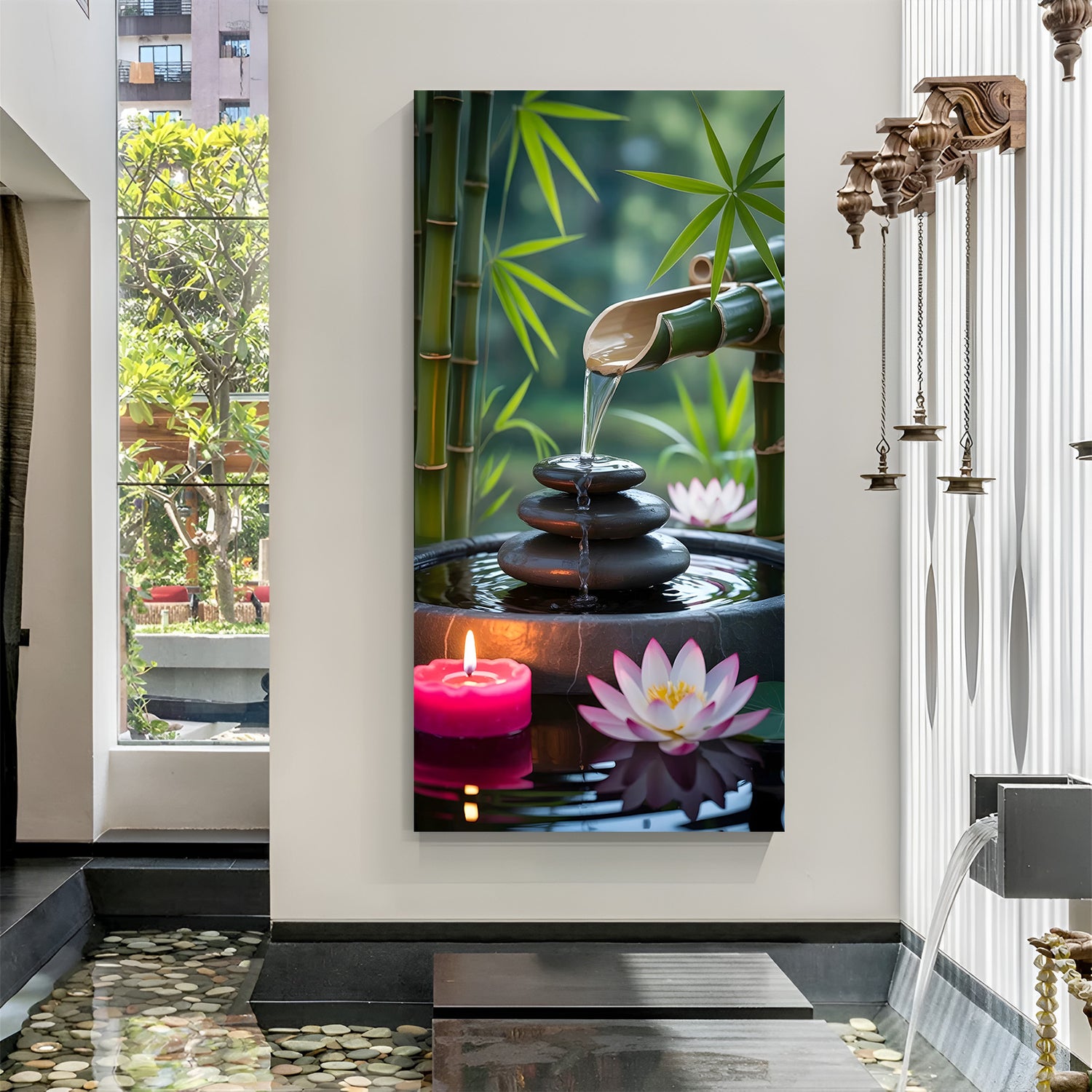
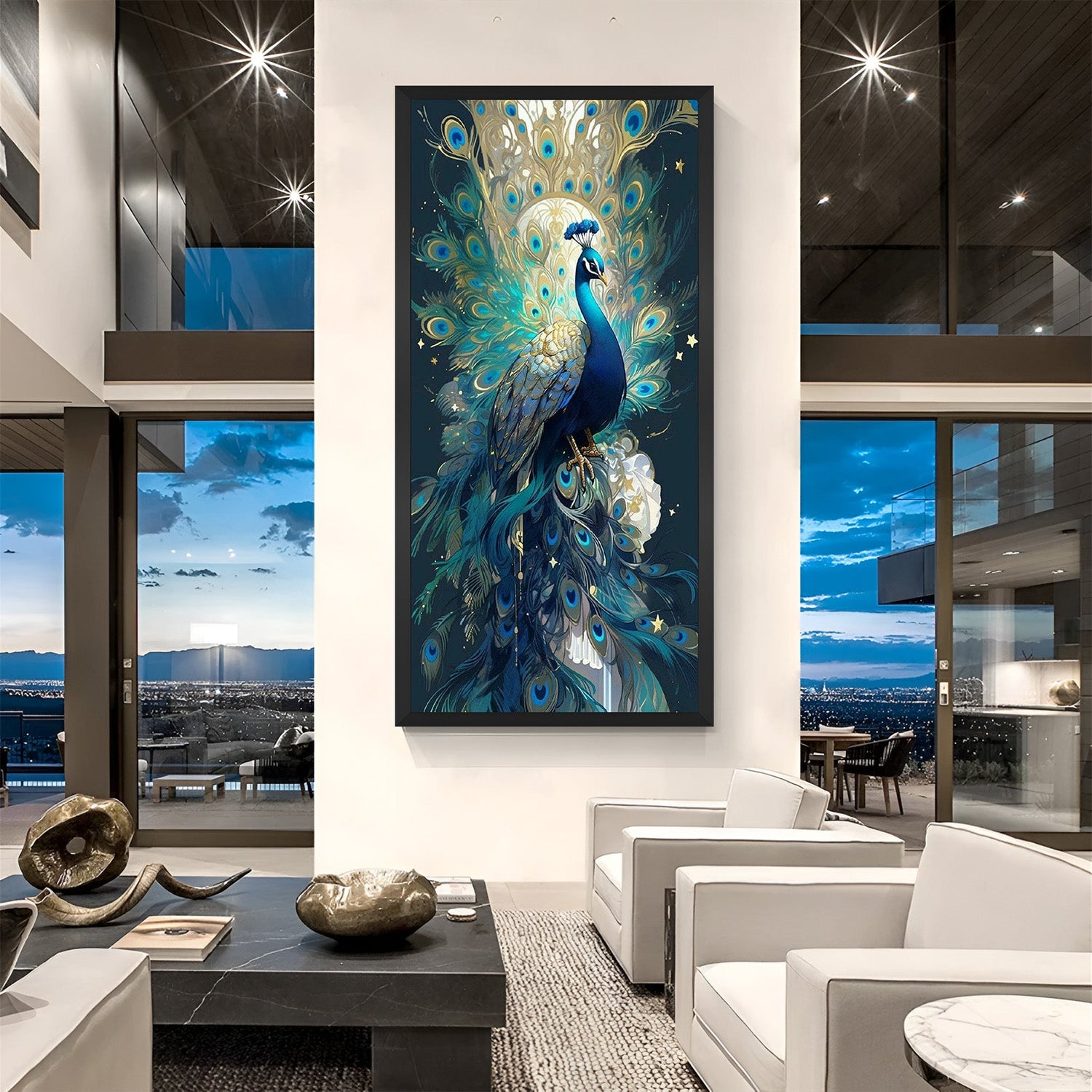
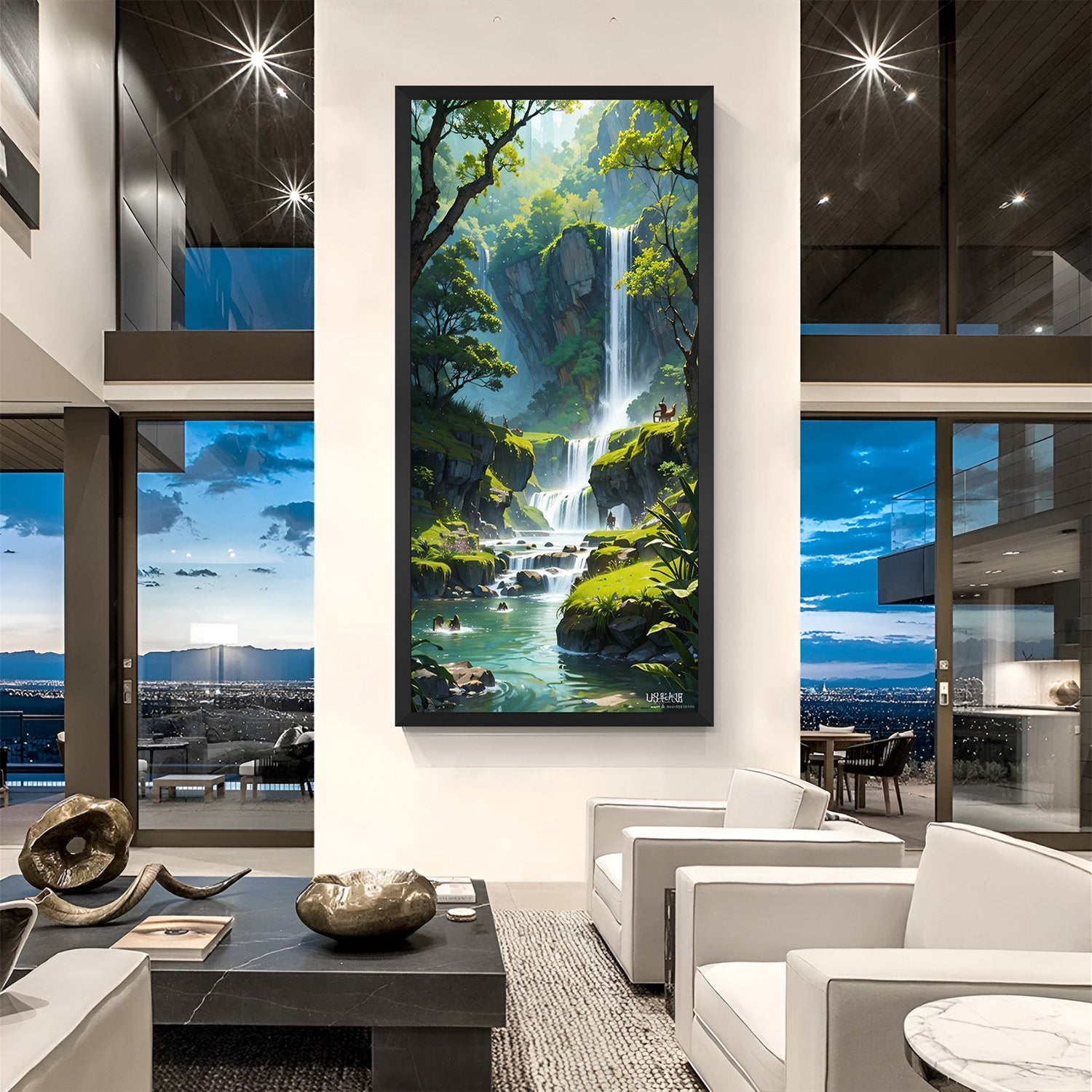
Not everyone wants religious imagery, and this is where most of that demand goes. Peacock art reads as elegant rather than devotional, which is probably why it's one of our best sellers for living rooms — the placement logic (southeast, mostly) is laid out in our peacock placement guide. Waterfall paintings follow a similar logic but for a different feeling — flow, movement, money not sitting still — and there's a whole piece on the best direction for a waterfall painting if you want to get it exactly right. Running horses are the other classic: seven of them, usually, galloping toward the viewer, associated with momentum in career and business. We've written about both the Vastu benefits and the story behind the imagery, since people usually ask about both.
Kamdhenu, the cow that keeps coming up
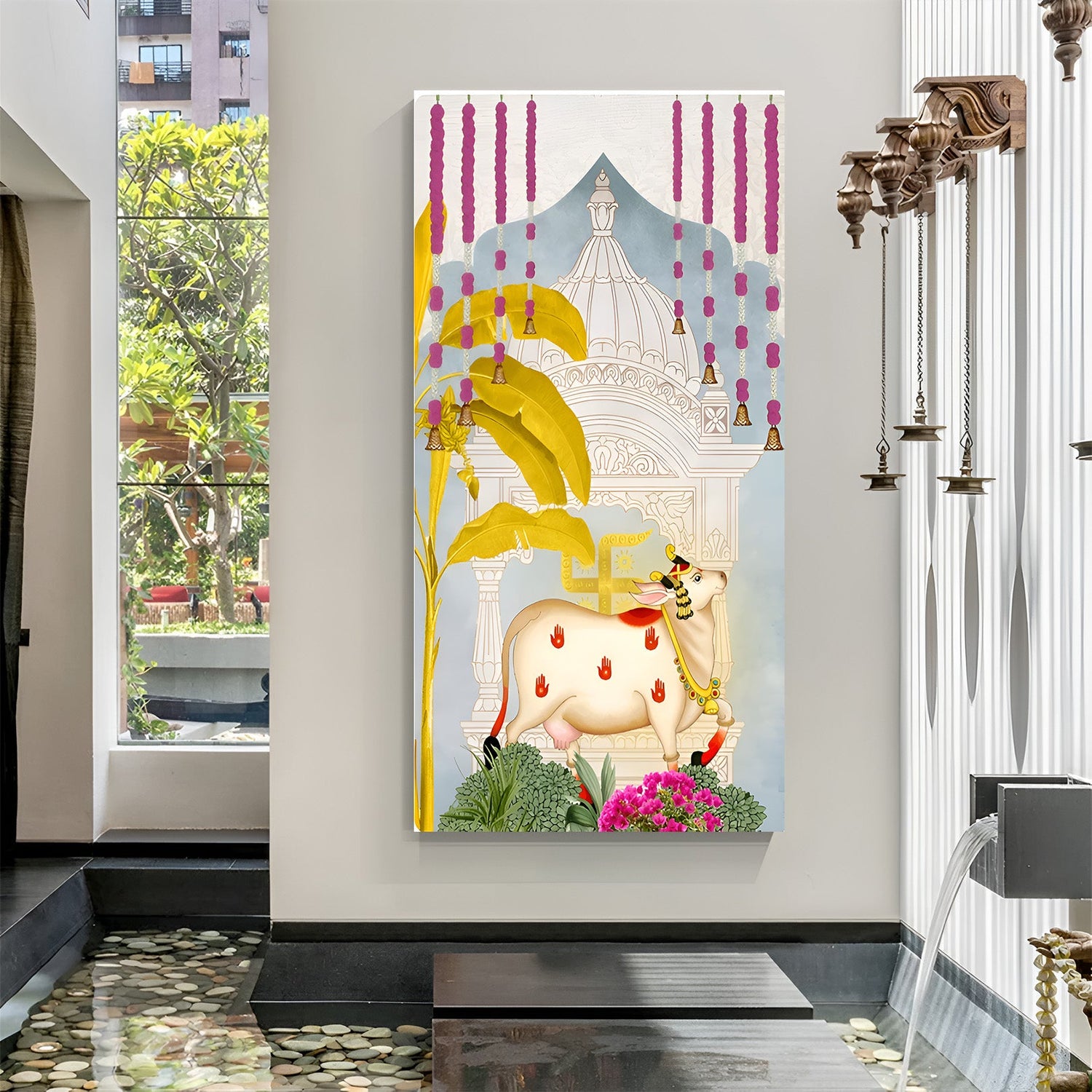
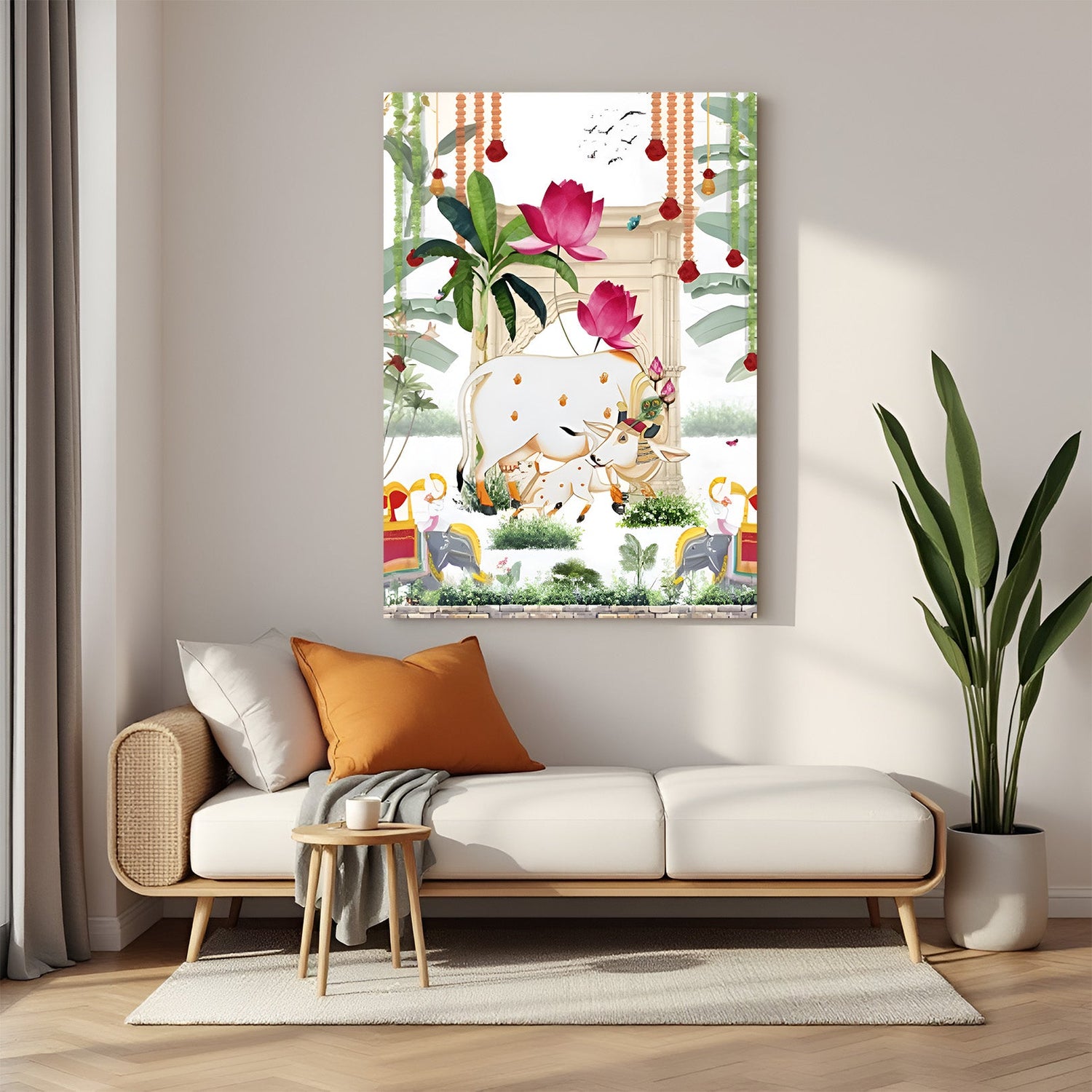
If there's one motif that crosses over between strict Vastu belief and general "auspicious home decor," it's the Kamdhenu cow, often shown in the Pichwai style with a calf at her side. It's tied to nourishment and household prosperity, and it works almost anywhere — entrance, living room, even a home office. There's more on what it's meant to bring and, separately, on the Pichwai style itself, which has its own history worth knowing if you're choosing between styles.
Saraswati and the goddesses — for study as much as for worship
Goddess paintings cover a lot of ground — Lakshmi for wealth, Durga for protection — but Saraswati gets a special mention because she's the one people buy specifically for study rooms and workspaces, tied to knowledge and clarity rather than money or safety. We go into that specifically in our piece on Saraswati wall art.
Phoenix and koi fish — symbolic, not strictly Vastu
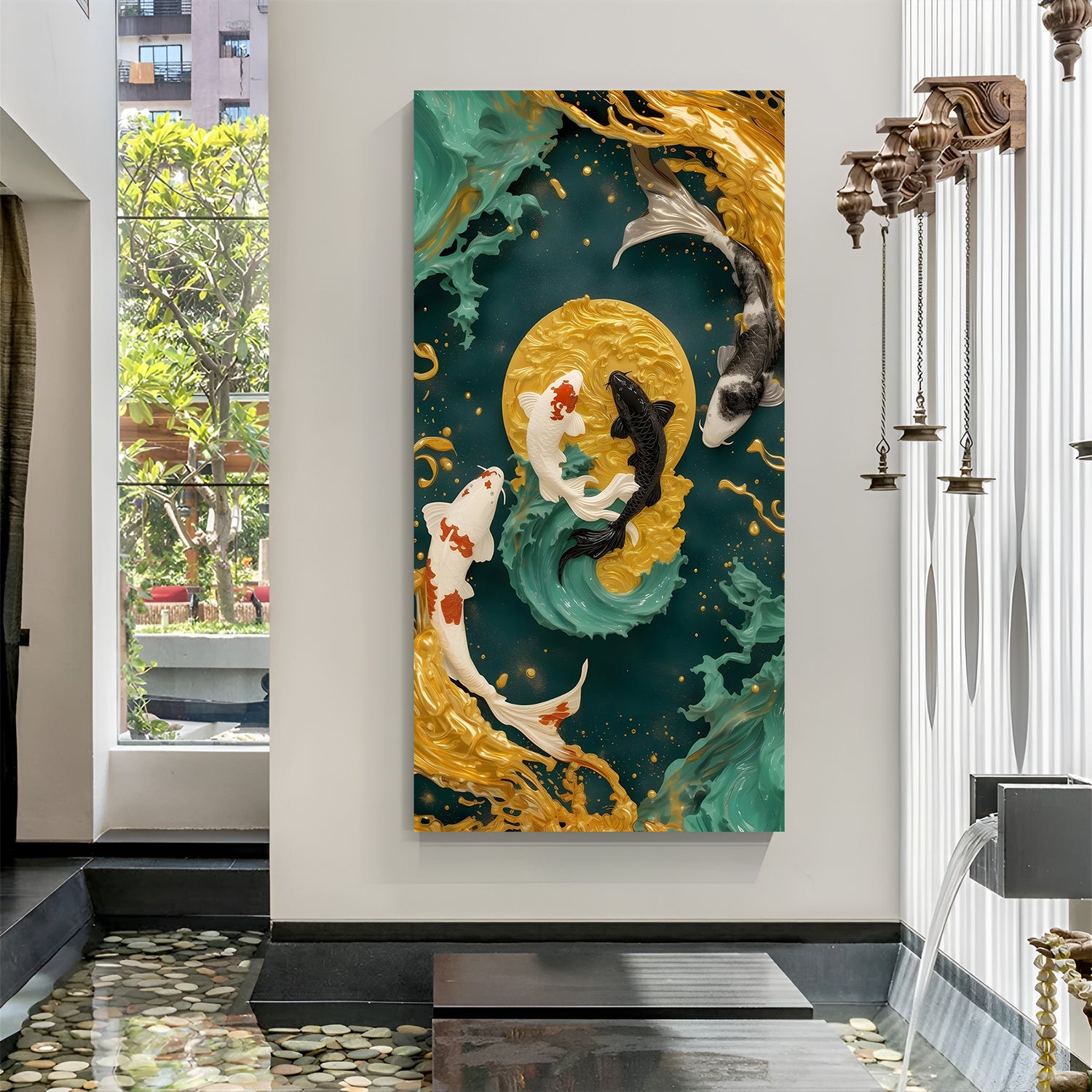
These two don't come from classical Vastu Shastra, but they've become genuinely popular additions, especially in home offices and modern interiors. Phoenix art is about coming back from a setback — rising, more or less literally — and tends to land well in spaces tied to work or ambition. Koi fish carries a similar idea of perseverance and quiet good fortune, a symbol shared with Feng Shui as much as Vastu; our koi pieces tend to go into living rooms and entryways where there's some sense of movement through the space.
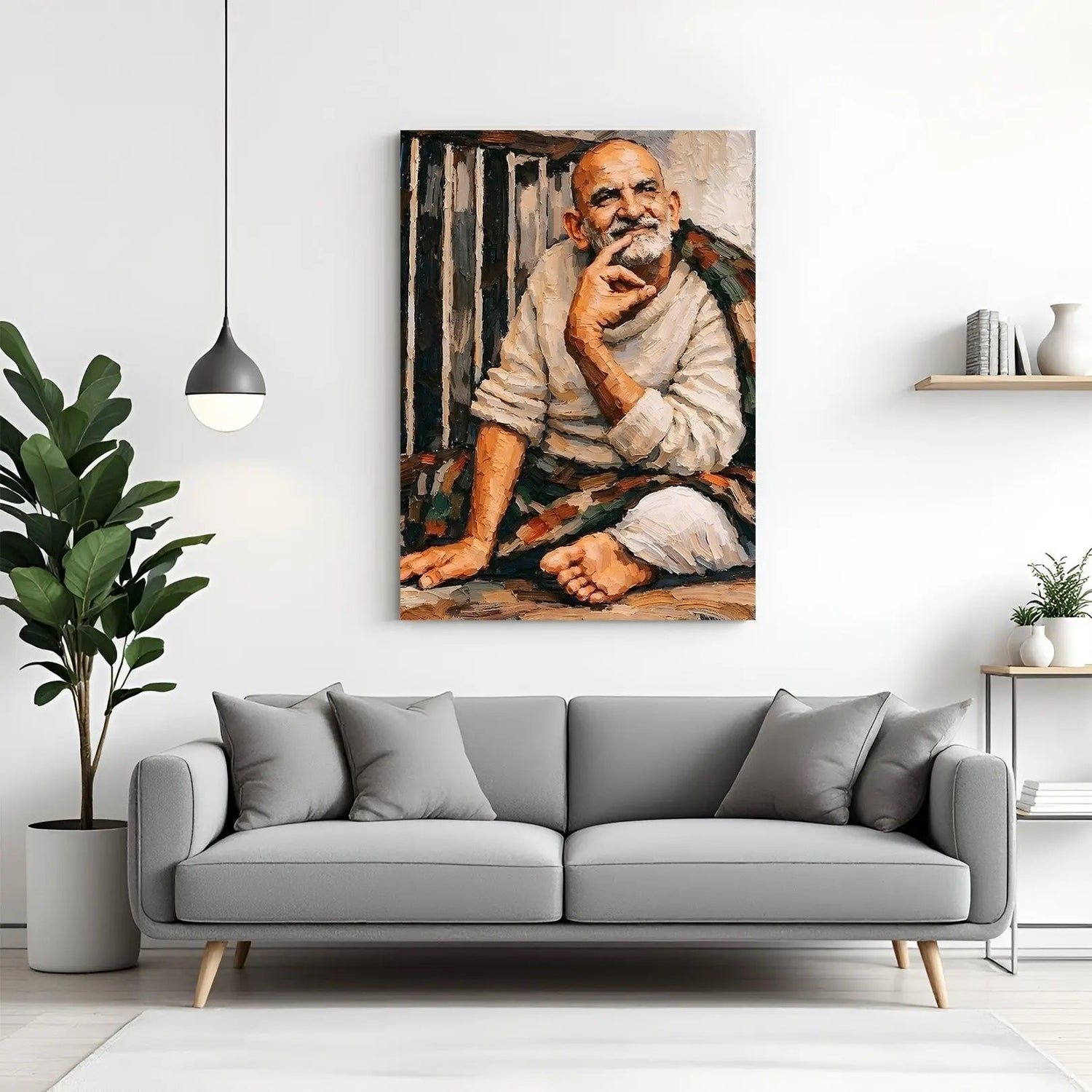
Buddha, Neem Karoli Baba, Premanand Ji — for stillness rather than ritual
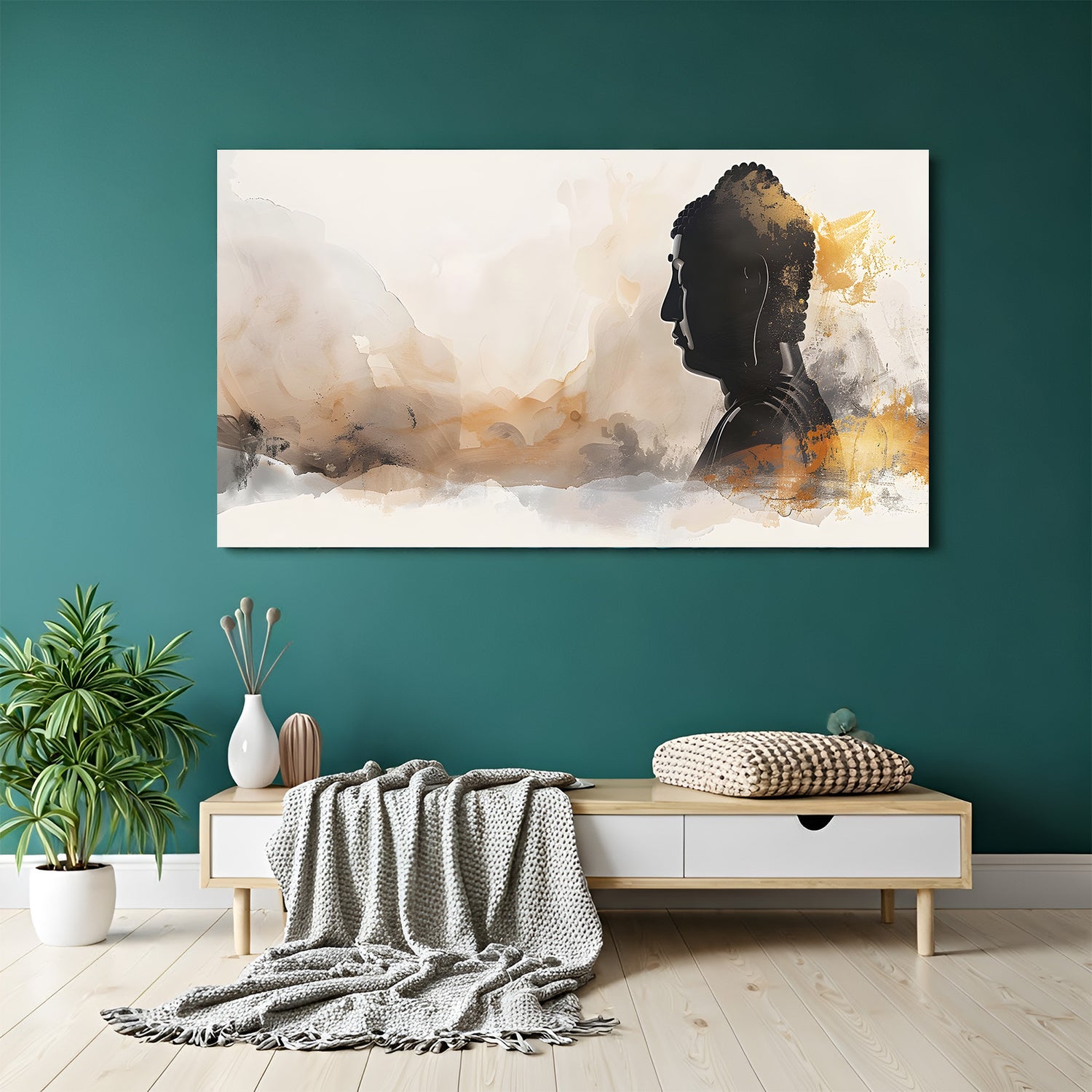
This group is a bit different from the rest: less about directional placement rules, more about the presence itself. Buddha wall art is the most requested of the three, chosen for bedrooms and meditation corners where the goal is calm rather than devotion in the ritual sense — if you're specifically after the laughing/wealth variant, we've written about where to place it. Neem Karoli Baba and Premanand Ji portraits are newer additions to what people are asking for — modern spiritual figures whose devotees want them close by, usually in a meditation space, more for guidance than for Vastu benefit in the traditional sense.
Choosing by Room
If theme isn't your starting point, the room usually settles most of the decision anyway.
For the living room, waterfall, peacock, and Radha Krishna pieces cover most of what people ask for — north, east, or northeast walls, generally, and visible from where people actually sit rather than tucked in a corner. We've written a longer styling guide for this specifically: best Vastu wall art for the living room.
The bedroom tends to call for something calmer — a single peacock motif, koi fish, or Buddha art rather than a direct deity portrait, which most Vastu practitioners suggest keeping to devotional spaces. There's a full breakdown in our bedroom wall art guide.
For a home office or study room, Saraswati (clarity), Kamdhenu (abundance), and running horses (momentum) come up most often, generally placed to be visible from the desk itself.
Pooja rooms and meditation corners are really the only spaces where we'd steer you toward the full-on devotional pieces — Shrinath Ji, Tirupati Balaji, Jagannath Ji — since that's what they're built for.
Choosing by Direction
If you already know the wall you're working with and just need the right painting for it, we've written direction-specific guides rather than trying to compress all of it into one paragraph here: north wall, south wall, west wall, southwest wall, and northwest wall. Between them they cover most of the placement questions we get, room by room and direction by direction.
FAQ: Buying Vastu & Divinity Canvas Wall Art
What is Vastu wall art and why do people buy it for their home?
It's spiritual or symbolic décor — paintings of deities, nature scenes, or sacred motifs — chosen and positioned according to Vastu Shastra, the traditional Indian system of architecture and spatial energy. People buy it for the same reason they follow Vastu in general: a belief that it brings peace, positivity, and balance into a room, on top of it simply being beautiful, meaningful decor. Our own guide to Vastu wall art rules covers the basics if you're starting from scratch.
Which Vastu painting is best for the living room?
Waterfall, peacock, running horses, or Radha Krishna are what most people land on, placed on the north, east, or northeast wall where they're actually visible from the seating area. See our living room collection for the full range.
What's the best Vastu painting for a bedroom?
Something calmer than a deity portrait, generally — a peacock motif, koi fish, or Buddha art. Most Vastu practitioners reserve direct god portraits for pooja spaces rather than bedrooms, where the goal is rest rather than devotion.
Where should a peacock painting be placed at home according to Vastu?
Living room or the southeast wall are the most common answers, and it's considered a fine choice near entrances too — though individual Vastu consultants vary on the finer points. We go through it in more detail in our peacock placement guide.
What Vastu wall art works for the south wall of a living room?
Grounded, solid imagery tends to be recommended for the south — running horses, Shiv Ji, or Kamdhenu — while lighter, flowing pieces like waterfalls are usually kept for north or east walls. Full detail in our south wall guide.
Is Vastu wall art suitable for offices as well as homes?
Yes. Waterfall art for flow, Saraswati for clarity, Kamdhenu for abundance — all common choices for office spaces, usually placed to be visible from the main desk.
What are good alternatives if I don't want deity-specific art?
Waterfall, peacock, running horses, koi fish, or phoenix art all carry Vastu or symbolic weight — flow, momentum, renewal — without depicting a specific deity, which makes them easier choices for shared or professional spaces.
How do I evaluate a Vastu art collection before buying online?
Look for listings that tell you the placement (room and direction), not just the theme — that's usually a sign the seller understands what they're selling rather than repeating generic "positive energy" language. Browse the full range in our Vastu wall art collection or start with the best sellers.
Is Cipher Spaces a legitimate/trusted place to buy Vastu wall art?
Alternatives to Vastu & Divinity Wall Art
| Wall Art Category |
Price Starting Range |
| Radha Krishna Ji Wall Art |
Rs. 2,499 onwards |
| Waterfall Wall Art |
Rs. 2,499 onwards |
| Peacock Wall Art |
Rs. 2,499 onwards |
| Kamdhenu Cow Wall Art |
Rs. 2,499 onwards |
| Shrinath Ji Wall Art |
Rs. 2,499 onwards |
| Running Horses Wall Art |
Rs. 2,499 onwards |
| Hanuman Ji Wall Art |
Rs. 2,499 onwards |
| Hindu Goddesses Wall Art |
Rs. 2,499 onwards |
| Shiv Ji Wall Art |
Rs. 2,499 onwards |
| Phoenix Wall Art |
Rs. 2,499 onwards |
| Tirupati Balaji Wall Art |
Rs. 2,499 onwards |
| Jagannath Ji Wall Art |
Rs. 2,499 onwards |
| Shree Ram Ji Wall Art |
Rs. 2,499 onwards |
| Buddha Wall Art |
Rs. 2,499 onwards |
| Explore All Wall Art |
Rs. 2,499 onwards |
| Best Seller Wall Art |
Rs. 2,499 onwards |
Prices for Vastu & Divinity Wall Art
| Artwork Description |
Size |
Frame Style |
Price |
|
Waterfall Canvas Wall Art – Vastu Painting for Peace, Flow & Prosperity
|
24x48 inches |
Golden Floater Frame |
Rs. 5,499 |
|
Radha Krishna Divine Dance Canvas Art – Romantic Couple Wall Decor – Premium Spiritual Painting
|
36×36 inches |
Canvas Wrapped |
Rs. 4,999 |
|
Peacock Vastu Wall Art – Artistic Canvas for Energy, Luck & Royal Charm
|
24×48 inches |
Black Floater Frame |
Rs. 5,999 |
|
Spiritual Cow Pichwai Canvas – Indian Traditional Wall Art for Home & Office
|
48×66 inches |
Canvas Wrapped |
Rs. 8,999 |
|
Shrinath Ji Vastu Wall Art – Canvas Painting for Home & Office Decor
|
24×36 inches |
Golden Floater Frame |
Rs. 4,999 |
|
Seven Running Horses Canvas Wall Art
|
24×36 inches |
Canvas Wrapped |
Rs. 3,999 |
|
Goddess Saraswati Vastu Wall Art – Canvas Painting for Study & Pooja Room Decor
|
30×30 inches |
Golden Floater Frame |
Rs. 3,999 |
|
Colorful Shiv Ji Canvas Wall Art for Living Room & Home Decor
|
12x24 inches |
Canvas Wrapped |
Rs. 2,499 |